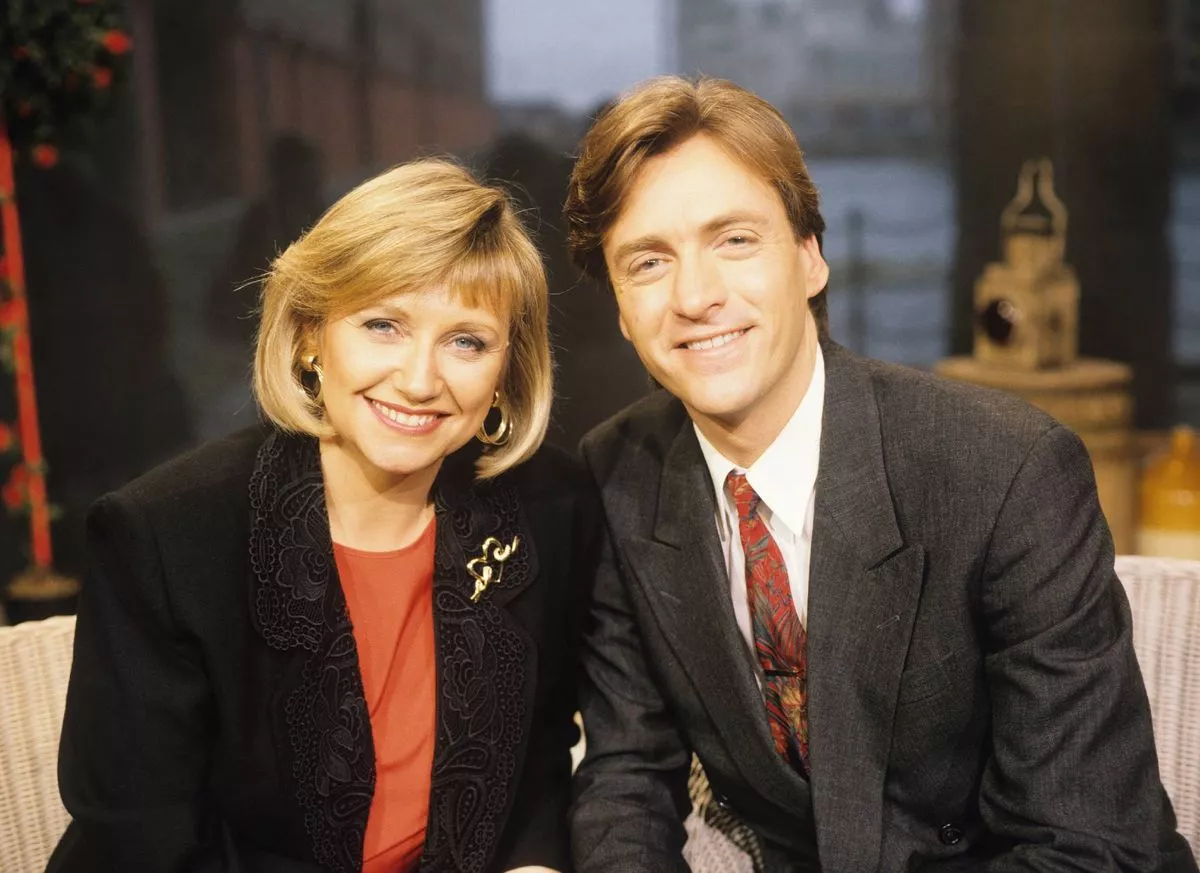
Richard Madeley Painfully Revealed That He and His Wife Are Unable to Finalize Their Divorce Due to Complications in Their Prenuptial Agreement. What Really Happened?
Richard Madeley, the well-known British television presenter and journalist, recently opened up about the difficulties he and his wife have faced in finalizing their divorce. The primary obstacle? A complex prenuptial agreement that has complicated their separation process far beyond what either expected. This revelation has sparked widespread interest and discussion about the role prenuptial agreements play in divorce proceedings, especially when unforeseen complications arise.
The Impact of Prenuptial Agreements on Divorce: Richard Madeley’s Experience

Prenuptial agreements are designed to protect both parties in the event of a divorce by outlining the division of assets and financial responsibilities ahead of time. However, as Richard Madeley’s case illustrates, these agreements can sometimes lead to unexpected challenges that prolong the divorce process.
In Madeley’s situation, the prenuptial agreement contained clauses that became difficult to interpret and enforce as circumstances changed over the years. This has resulted in a legal stalemate, preventing the couple from finalizing their divorce despite their mutual desire to move forward separately. The complications highlight how prenuptial agreements, while intended to simplify divorces, can sometimes have the opposite effect if not drafted with flexibility and foresight.
Understanding Prenuptial Agreement Complications in Divorce Cases

Prenuptial agreements vary widely in their complexity and scope. Some are straightforward, covering basic asset division, while others delve into detailed financial arrangements, spousal support, and even lifestyle clauses. When these agreements are not regularly reviewed or updated, they may fail to reflect the current realities of the marriage, leading to disputes during divorce.
In Richard Madeley’s case, the prenuptial agreement likely did not anticipate certain financial or personal changes, making some provisions difficult to enforce. Such complications can cause delays, increased legal costs, and emotional strain for both parties involved. It underscores the importance of consulting experienced legal professionals when drafting and revising prenuptial agreements to ensure they remain relevant and fair over time.
Lessons from Richard Madeley’s Divorce: What You Should Know About Prenuptial Agreements

Richard Madeley’s painful experience offers valuable lessons for couples considering or currently under prenuptial agreements:
1. **Regular Review is Crucial:** Life circumstances change, and so should your prenuptial agreement. Regular legal reviews can help keep the document up to date and enforceable.
2. **Clear and Flexible Language:** Ambiguities in the agreement can lead to disputes. Clear, precise, and flexible wording can prevent misunderstandings.
3. **Seek Expert Legal Advice:** Both parties should have independent legal counsel to ensure the agreement is fair and comprehensive.
4. **Consider Future Scenarios:** Try to anticipate possible changes in finances, careers, and family dynamics to include provisions that address these situations.
By taking these steps, couples can reduce the risk of complications similar to those faced by Richard Madeley and his wife.
Conclusion
Richard Madeley’s candid revelation about the difficulties caused by his prenuptial agreement in finalizing his divorce serves as a cautionary tale for many. Prenuptial agreements are powerful tools for protecting assets and setting expectations, but they must be carefully crafted and regularly updated to avoid becoming obstacles. If you are considering a prenuptial agreement or are currently navigating a divorce complicated by one, consulting with an experienced family law attorney can make all the difference. Don’t wait until complications arise—take proactive steps today to ensure your agreement supports a smooth and fair resolution. Contact a legal expert now to safeguard your future.