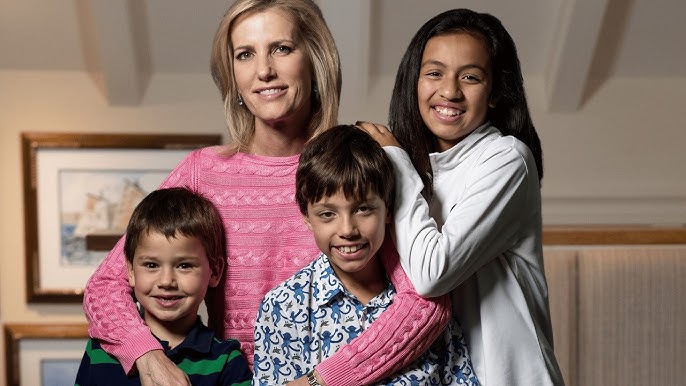
Laura Ingraham Shares Why She and Her Husband Chose Adoption Over Having Biological Children
In a heartfelt and candid interview, Laura Ingraham, the well-known television host and conservative commentator, has finally opened up about a deeply personal decision she and her husband made regarding their family. Contrary to common assumptions, Ingraham revealed that their choice to adopt children instead of having biological ones was not due to a lack of desire for parenthood. Instead, it was a conscious and meaningful decision rooted in their values and life experiences. This article delves into the reasons behind their choice, the impact it has had on their family, and what it signifies about adoption as a beautiful and intentional path to parenthood.
Why Laura Ingraham and Her Husband Opted for Adoption
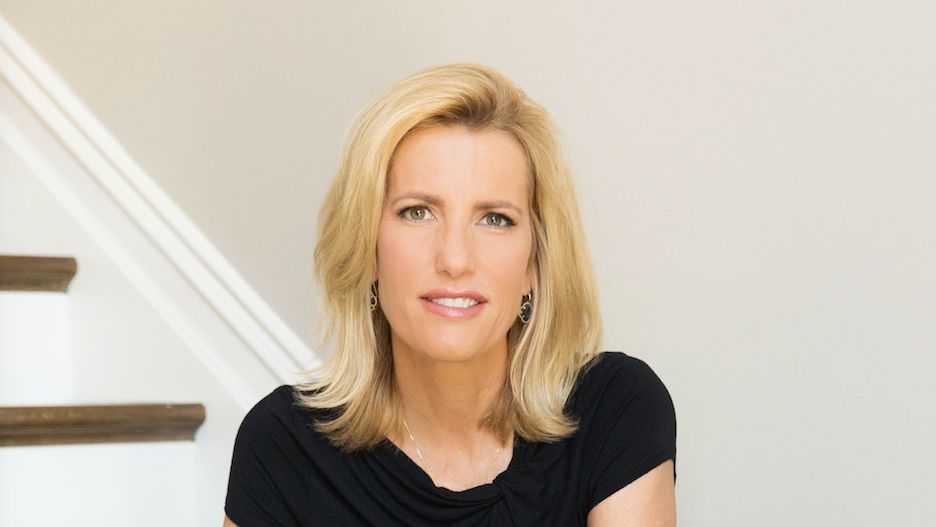
Laura Ingraham’s decision to adopt was not born out of necessity but from a place of deliberate intention. In her recent interview, she emphasized, “It’s not because I didn’t want it to happen.” This statement highlights that the choice was made with full awareness and desire to build a family in a way that felt right for them.
The couple’s decision reflects a broader understanding of family beyond biology. They recognized that parenthood is about love, commitment, and nurturing, rather than genetic ties alone. For Ingraham and her husband, adoption represented an opportunity to provide a loving home to children who might otherwise face uncertainty or hardship.
Moreover, their choice aligns with a growing number of families who embrace adoption as a meaningful way to grow their family. It challenges traditional notions of what constitutes a family and celebrates the diversity of family structures in today’s society.
The Emotional and Practical Considerations Behind Adoption

Choosing adoption involves both emotional and practical factors. For Laura Ingraham and her husband, the decision was influenced by a combination of personal beliefs, health considerations, and a desire to make a positive impact.
Emotionally, adoption allowed them to extend their love and care to children who needed it most. It was a way to create a family that was intentionally chosen and deeply cherished. The process also brought them closer together as a couple, reinforcing their shared values and commitment.
On the practical side, adoption can sometimes be a more viable option for couples facing medical challenges or other circumstances that make biological parenthood difficult. While Ingraham did not specify any health issues, her statement suggests that their decision was proactive rather than reactive.
Additionally, adoption often involves navigating complex legal and social systems, which requires patience and resilience. The Ingrahams’ willingness to embrace this journey speaks to their dedication and love for their children.
How Laura Ingraham’s Story Inspires Others
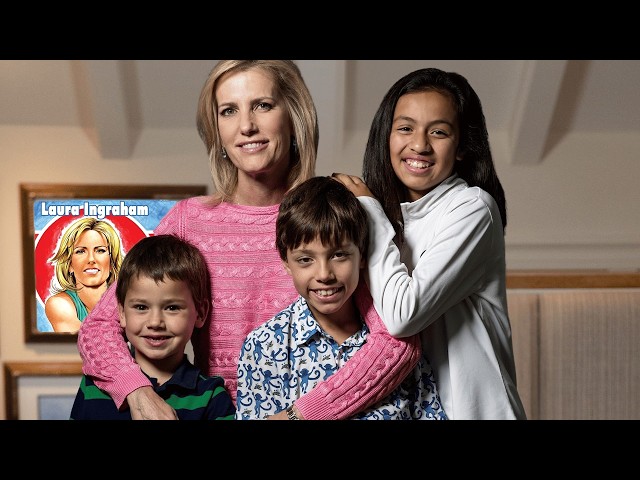
By sharing her family’s story, Laura Ingraham helps to normalize adoption and reduce the stigma that sometimes surrounds it. Her openness encourages others who might be considering adoption to view it as a positive and empowering choice.
Her narrative also highlights the importance of intentional parenting—choosing to build a family in a way that aligns with one’s values and circumstances. This perspective can inspire many to rethink traditional expectations and embrace diverse family models.
Furthermore, Ingraham’s experience underscores the message that love, care, and commitment define parenthood more than biology. This is a powerful reminder for society to appreciate and celebrate all forms of family.
Conclusion
Laura Ingraham’s decision to adopt rather than have biological children is a testament to the power of intentional family-building and the profound love that defines parenthood. Her story sheds light on the meaningful reasons behind adoption and serves as an inspiration for many considering this path. If you found Laura Ingraham’s journey insightful, explore more stories about adoption and family choices to broaden your understanding of what it means to create a loving home. Embrace the diversity of family and consider how intentional decisions can shape a fulfilling life.