Not Stopping at $10 Million: David Haye’s Bold Demand for Increased ITV Compensation
David Haye, the former world heavyweight boxing champion, has recently made headlines with a shocking demand that ITV increase his compensation payout. This unexpected move has stirred significant attention across the sports and media industries, raising questions about athlete rights, broadcasting contracts, and the future of compensation negotiations. In this article, we delve into what really happened behind David Haye’s demand, why he believes the initial $10 million offer is insufficient, and the broader implications for ITV and sports broadcasting.
David Haye’s Demand for Increased ITV Compensation: What Really Happened?
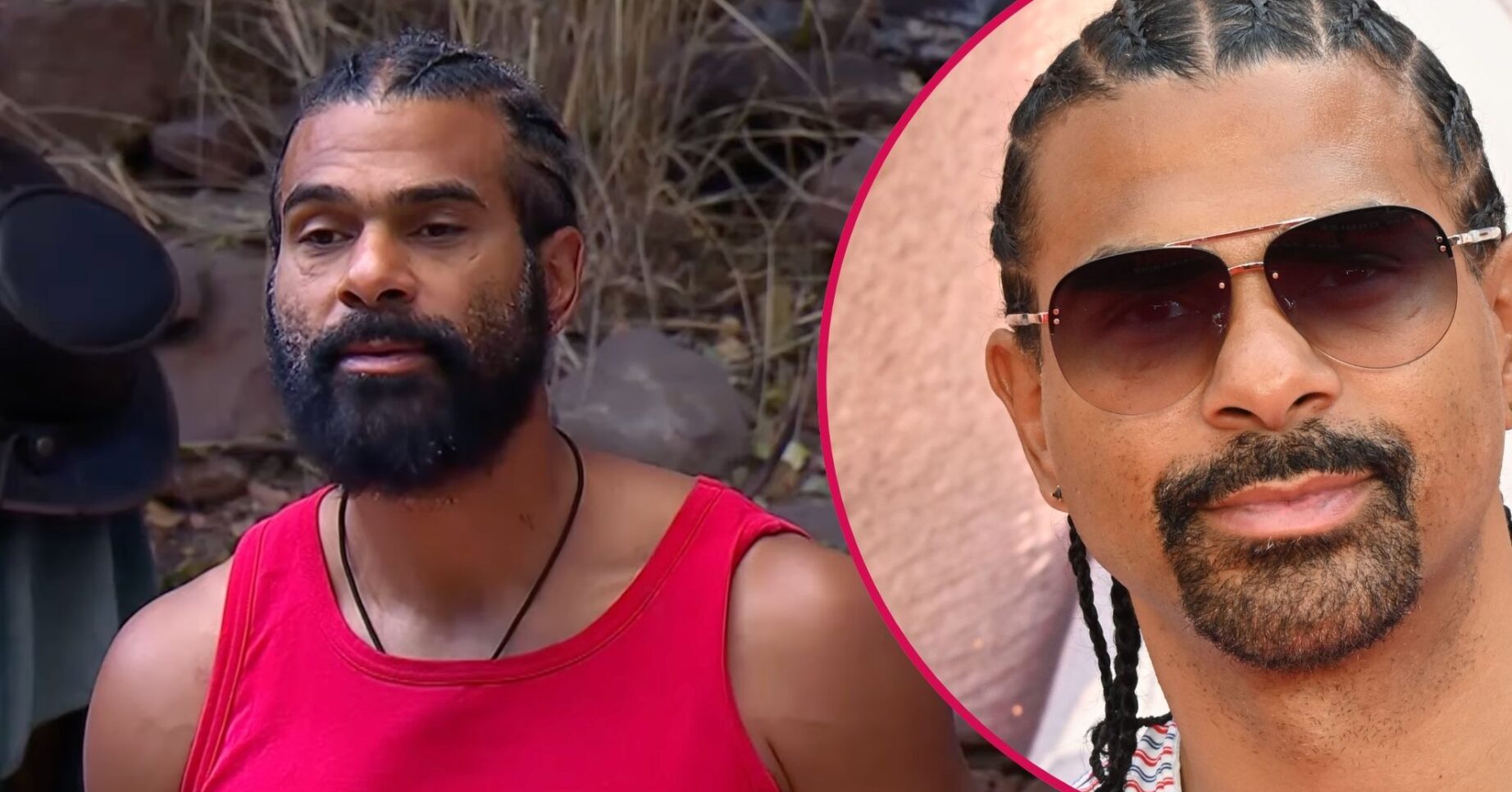
The story began when ITV initially offered David Haye a compensation package valued at $10 million following a dispute related to broadcasting rights and contractual obligations. However, Haye has publicly rejected this offer, stating that it does not adequately reflect his contributions, reputation, and the value he brings to the network.
According to insiders, Haye’s team argues that the $10 million figure fails to account for several key factors, including the extensive promotional work he undertook, the revenue generated from his fights, and the long-term brand partnership he has cultivated with ITV. This has led to a firm stance from Haye, who insists that ITV revise their offer to better match his expectations and the true worth of his involvement.
The demand has sparked a heated debate within the industry, with some experts suggesting that Haye is setting a precedent for athletes to negotiate more aggressively for their rights and earnings. Others believe that ITV may need to reconsider their compensation frameworks to maintain positive relationships with high-profile sports figures.
The Context Behind the Compensation Dispute
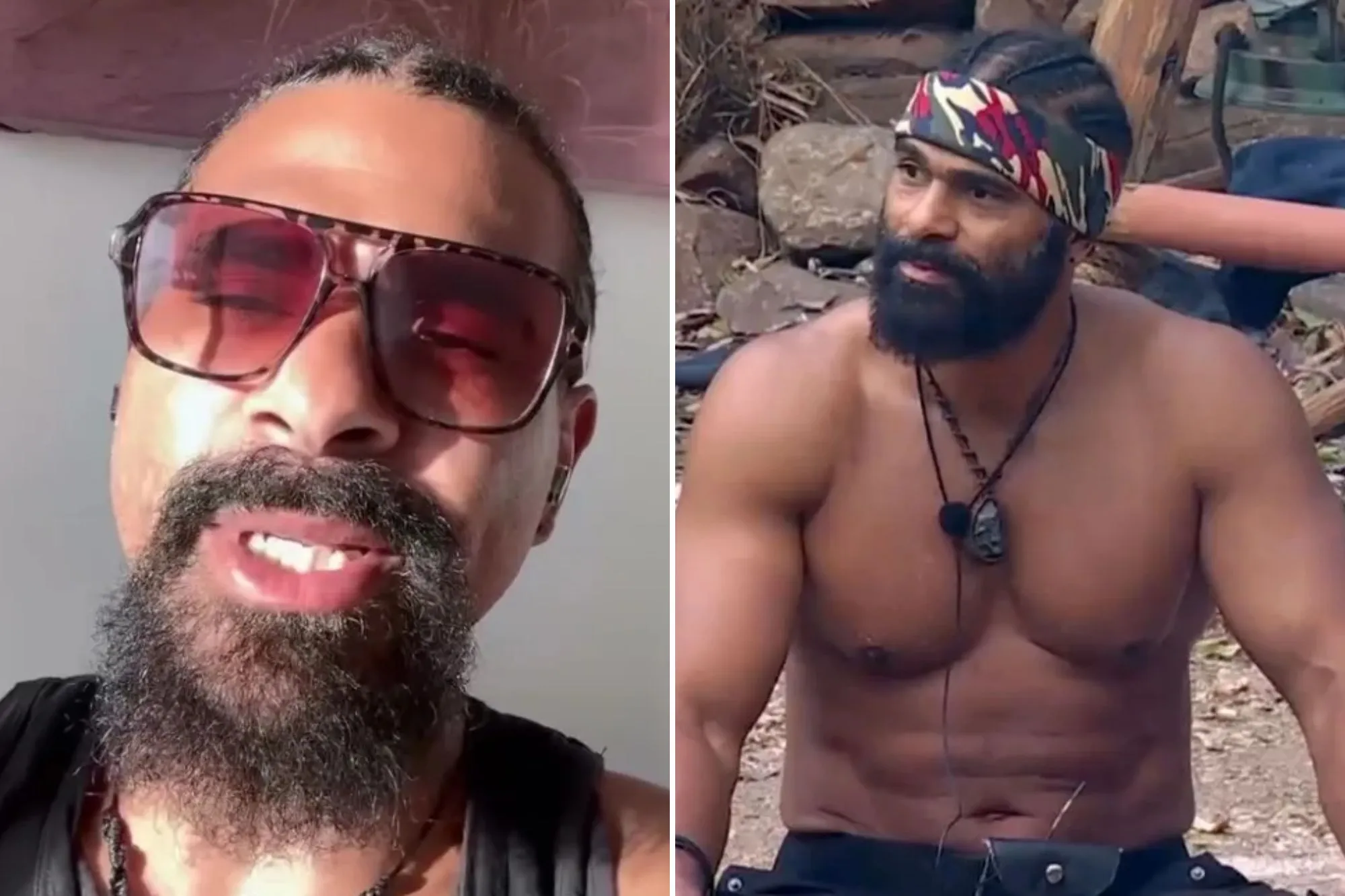
To fully understand the gravity of David Haye’s demand, it is essential to explore the background of his relationship with ITV. Over the years, Haye has been a prominent figure in boxing broadcasts, not only as a competitor but also as a commentator and analyst. His presence has helped ITV secure substantial viewership and advertising revenue, making him a valuable asset to the network.
The initial $10 million compensation offer was reportedly based on contractual clauses and previous agreements. However, Haye’s camp contends that recent developments, including increased audience engagement and additional promotional activities, warrant a higher payout.
Moreover, the dispute highlights broader issues in sports media, such as how athletes are compensated for their off-ring contributions and the evolving nature of broadcasting rights in the digital age. Haye’s demand may thus be seen as part of a larger movement advocating for fairer compensation models that reflect the multifaceted roles athletes play today.
Potential Outcomes and Industry Impact
The resolution of this compensation dispute could have far-reaching consequences. If ITV agrees to increase the payout, it may encourage other athletes to renegotiate their contracts, potentially leading to higher costs for broadcasters but better earnings for sports personalities. On the other hand, if ITV stands firm, it could strain relationships with key figures and impact future collaborations.
For David Haye, this bold stance reinforces his position not only as a former champion but also as a powerful advocate for athlete rights. It demonstrates his willingness to challenge established norms and fight for what he believes is fair compensation.
Conclusion
David Haye’s demand for ITV to increase his compensation payout beyond $10 million has unveiled critical issues surrounding athlete remuneration and broadcasting partnerships. As this story unfolds, it will be important to watch how ITV responds and what this means for the future of sports media contracts. Stay tuned for updates on this developing situation and explore how it might influence negotiations in the sports industry.
If you want to stay informed about the latest in sports news and athlete rights, subscribe to our newsletter for timely updates and expert analysis.


