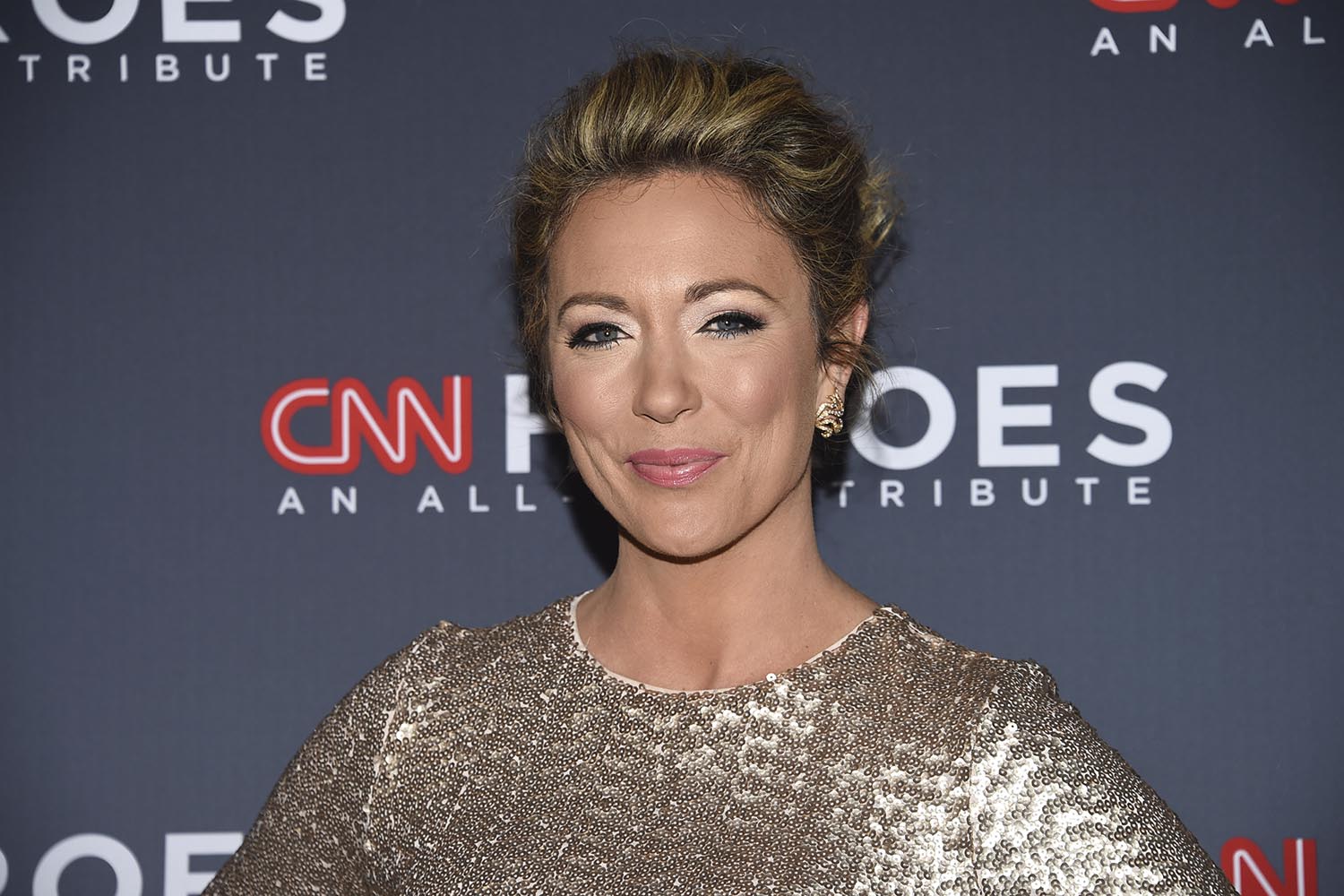
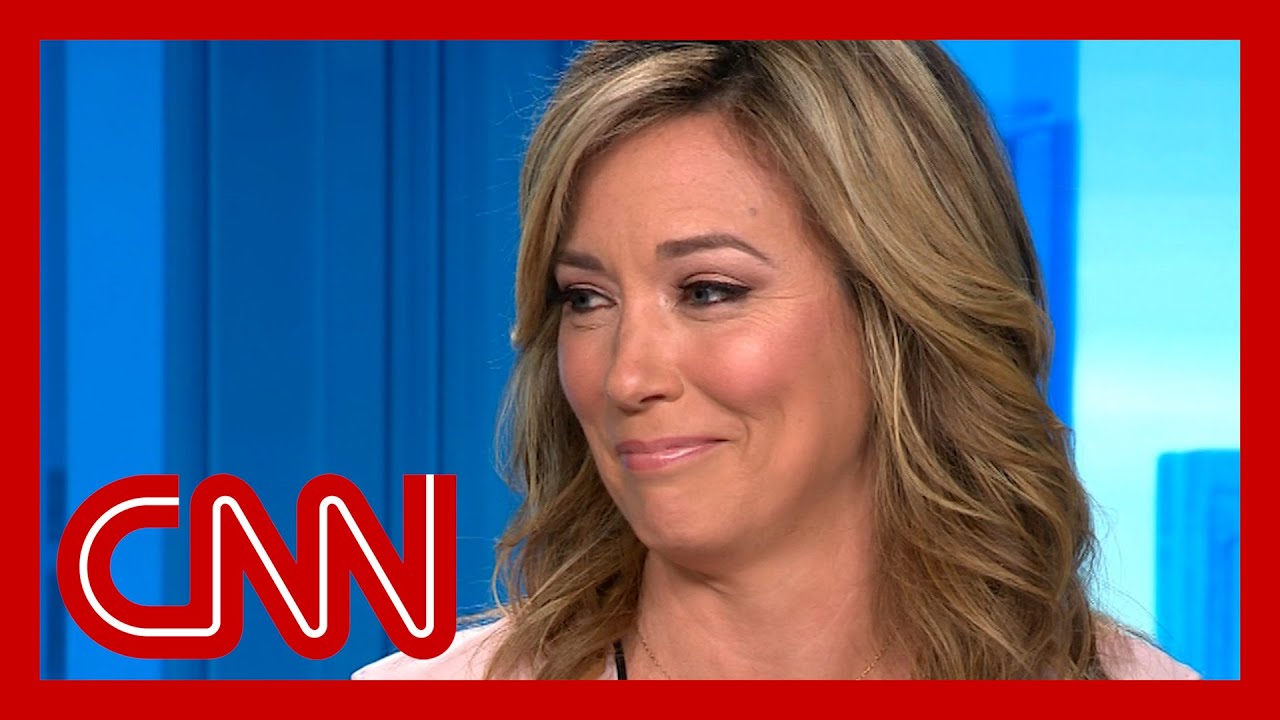
Brooke Baldwin — CNN Anchor — Breaks Silence on Harassment During Her Career
Brooke Baldwin, a prominent CNN anchor known for her professionalism and poise, recently broke down in tears as she courageously revealed that she was subjected to harassment throughout her time working at the network. This heartfelt disclosure marks a significant moment not only in her personal journey but also in the ongoing conversation about workplace harassment in the media industry. Baldwin’s decision to speak out highlights the challenges many face behind the scenes and underscores the importance of creating safe, respectful work environments.
Brooke Baldwin Shares Her Harrowing Experience of Harassment at CNN

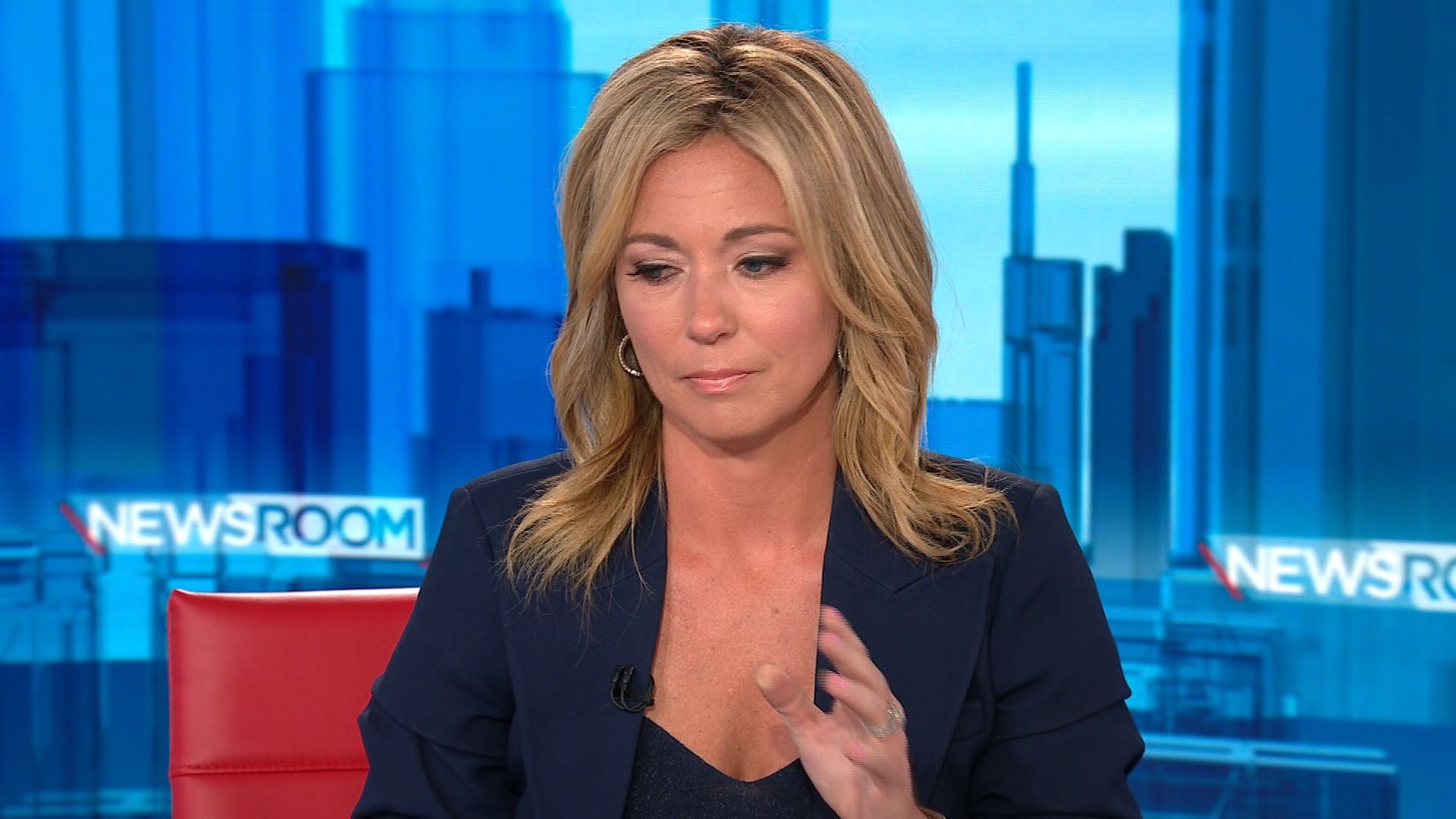
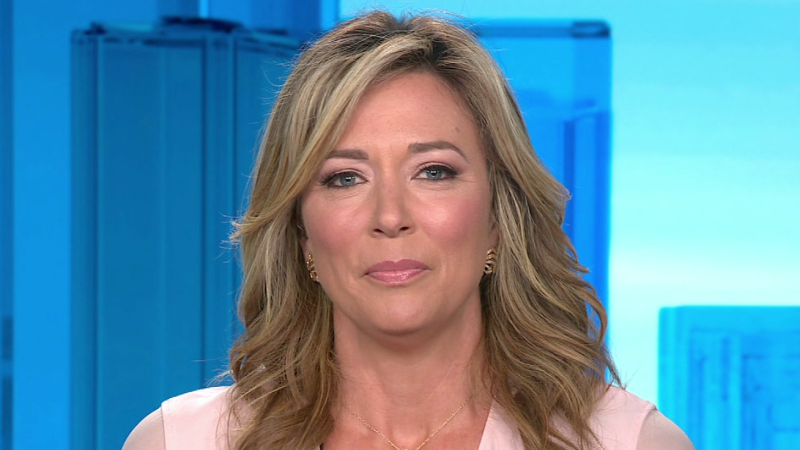
In a deeply emotional interview, Brooke Baldwin opened up about the harassment she endured while working at CNN. For years, she kept her pain and struggles private, fearing the repercussions of speaking out. However, she emphasized that “only now can I finally speak out and expose that crime,” signaling a turning point in her willingness to confront the issue publicly.
Baldwin’s story is a powerful reminder of the silent battles many professionals face in high-profile careers. Despite her success and visibility, she was not immune to inappropriate behavior and misconduct. By sharing her experience, Baldwin aims to empower others who may be suffering in silence and encourage organizations to take stronger measures against harassment.
The media industry, like many others, has grappled with issues of harassment and abuse of power. Baldwin’s testimony adds to a growing chorus of voices demanding accountability and systemic change. Her courage serves as a beacon for those hesitant to come forward, demonstrating that it is possible to reclaim one’s narrative and seek justice.
The Impact of Brooke Baldwin’s Revelation on Workplace Culture and Media Industry
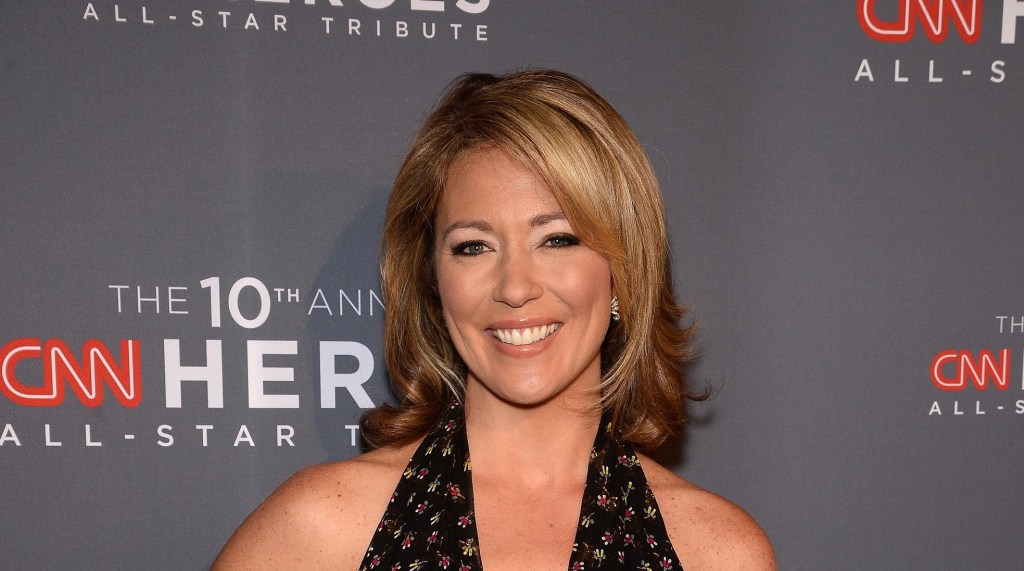
Brooke Baldwin’s revelation has sparked important discussions about workplace culture within CNN and the broader media landscape. Her candidness has prompted calls for more transparent policies, better support systems for victims, and rigorous enforcement of anti-harassment measures.
Organizations are increasingly recognizing the need to foster environments where employees feel safe and respected. Baldwin’s story underscores the urgency of these efforts, reminding leaders that silence and inaction only perpetuate harm. It also highlights the role of allies and bystanders in creating change, encouraging everyone to stand against harassment.
Furthermore, Baldwin’s experience sheds light on the emotional toll harassment takes on individuals, affecting their mental health, career progression, and personal lives. Her willingness to discuss these challenges openly helps destigmatize the conversation and promotes healing.
Steps Forward: How Media Companies Can Support Employees and Prevent Harassment
In response to stories like Brooke Baldwin’s, media companies must take proactive steps to prevent harassment and support affected employees. Key measures include:
– Implementing comprehensive training programs focused on recognizing and addressing harassment.
– Establishing clear reporting channels that protect confidentiality and prevent retaliation.
– Promoting a culture of respect and inclusivity through leadership commitment and employee engagement.
– Providing access to counseling and support services for victims.
– Regularly reviewing and updating policies to reflect best practices and legal requirements.
By adopting these strategies, media organizations can create safer workplaces that empower employees to thrive without fear.
Conclusion

Brooke Baldwin’s emotional revelation about the harassment she faced at CNN is a powerful call to action for the media industry and beyond. Her bravery in speaking out not only shines a light on a pervasive issue but also inspires change toward safer, more respectful workplaces. If you or someone you know is experiencing harassment, remember that you are not alone—reach out, speak up, and help foster a culture of accountability and support. Together, we can make a difference.