ITV’s Lorraine Kelly Accuses BAFTA Organizers of Being “Bought Off” by the BBC After Losing to Scam Interceptors
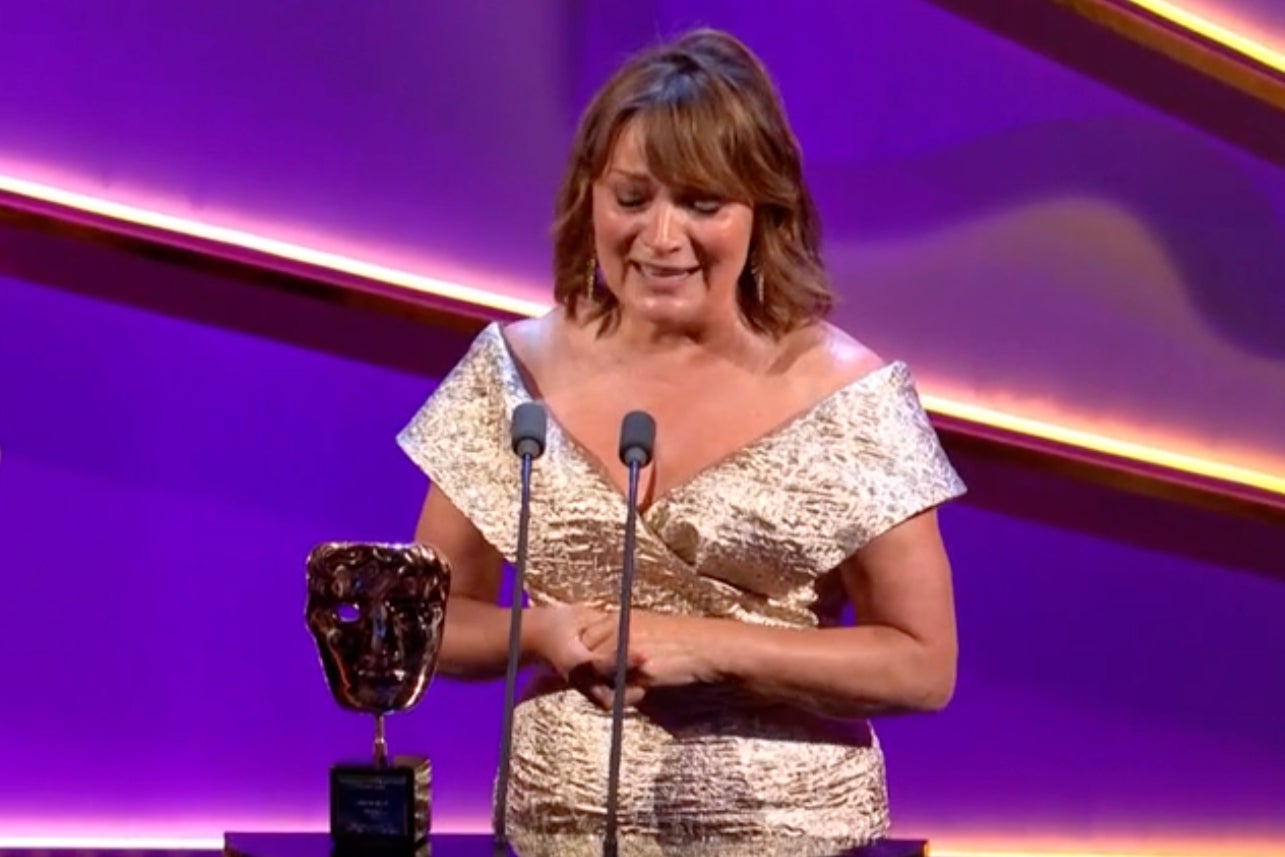
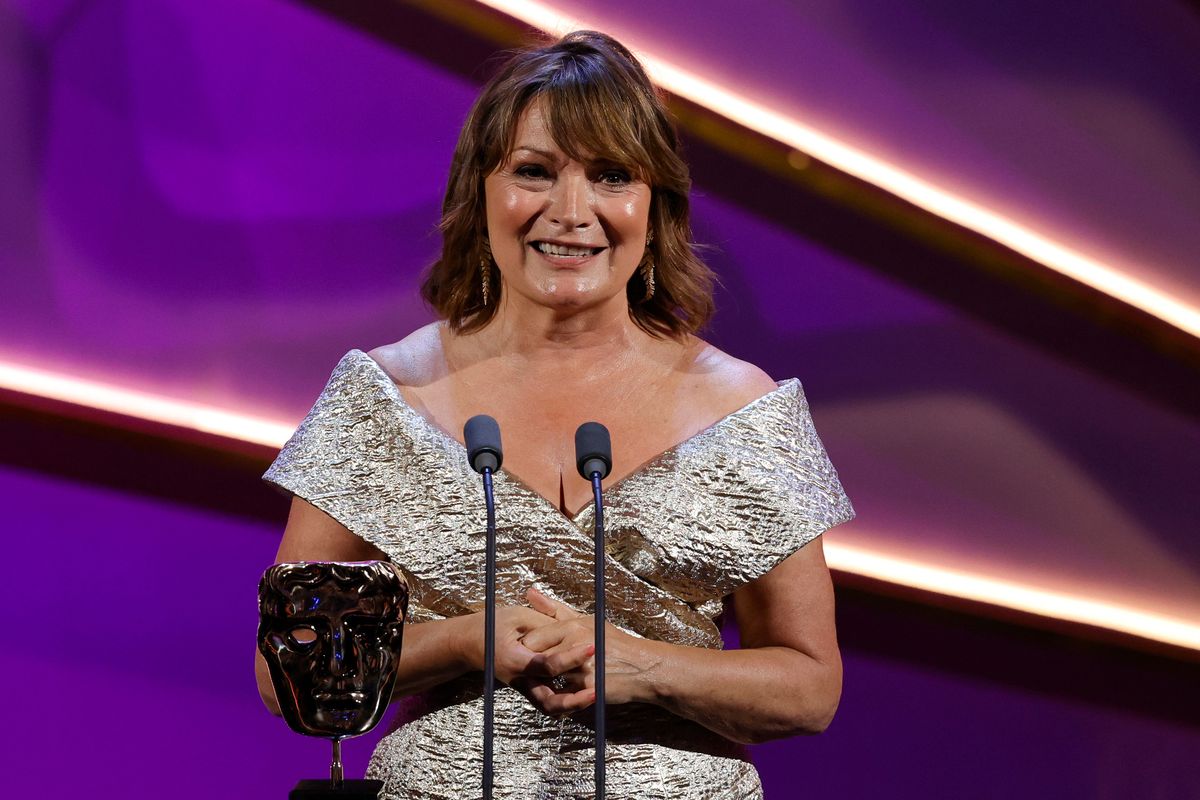
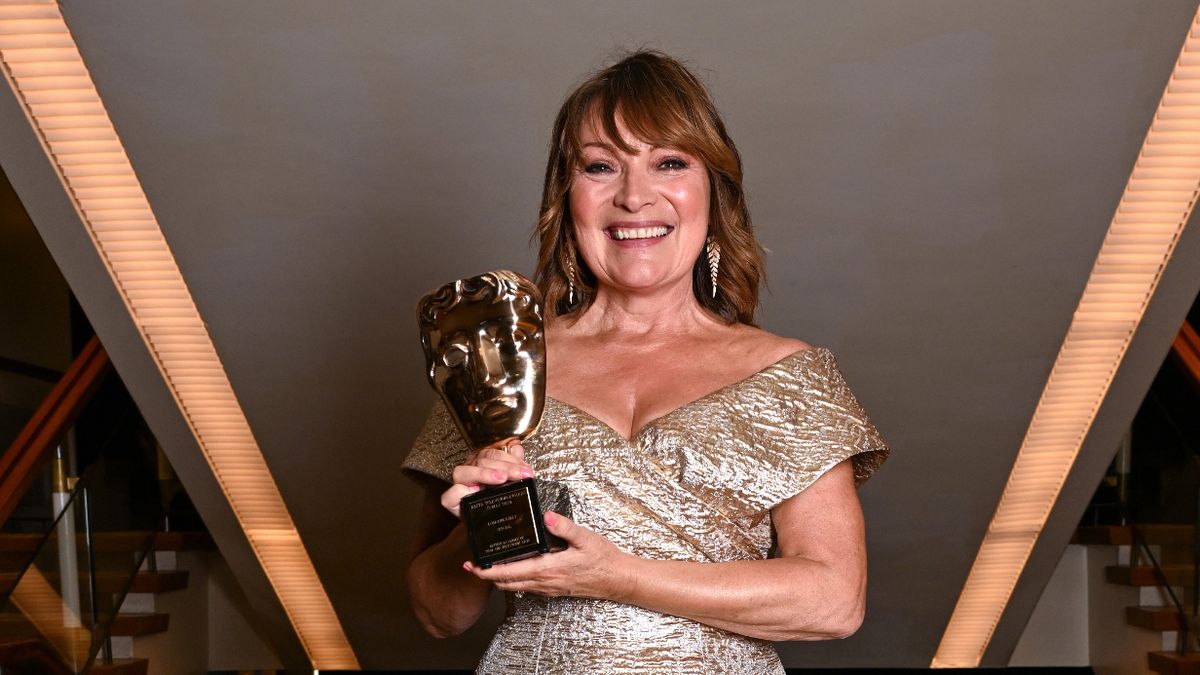
ITV’s beloved presenter Lorraine Kelly has stirred controversy following the latest BAFTA awards ceremony. After losing to the BBC’s Scam Interceptors, Kelly has released what she calls “evidence” suggesting that the BAFTA organizers were influenced or “bought off” by the BBC. Her claims have sent shockwaves through the entertainment industry, raising serious questions about the transparency and fairness of one of the UK’s most prestigious award ceremonies.
In this article, we delve into the details of Lorraine Kelly’s accusations, the response from BAFTA and the BBC, and the broader implications for future awards ceremonies. We also explore what this controversy means for viewers and industry professionals alike.
Lorraine Kelly’s Allegations: “They Even Announced the Winner a Full Day Before the Ceremony”

Lorraine Kelly, a respected figure in British television, expressed her frustration and disbelief after losing to Scam Interceptors, a BBC production that has gained significant attention for its efforts to expose fraudsters. Kelly’s main contention is that the BAFTA organizers compromised the integrity of the awards by allegedly colluding with the BBC.
One of the most striking claims she made was that the winner of the category was announced a full day before the official ceremony took place. This, according to Kelly, is a clear indication that the results were predetermined, undermining the entire purpose of the awards, which is to celebrate genuine talent and achievement.
Kelly’s evidence reportedly includes leaked communications and insider testimonies suggesting undue influence from the BBC on the BAFTA decision-making process. While these claims have yet to be independently verified, they have sparked a heated debate about the impartiality of award ceremonies and the potential for conflicts of interest when major broadcasters are involved in the judging process.
The BAFTA and BBC Response to the Controversy
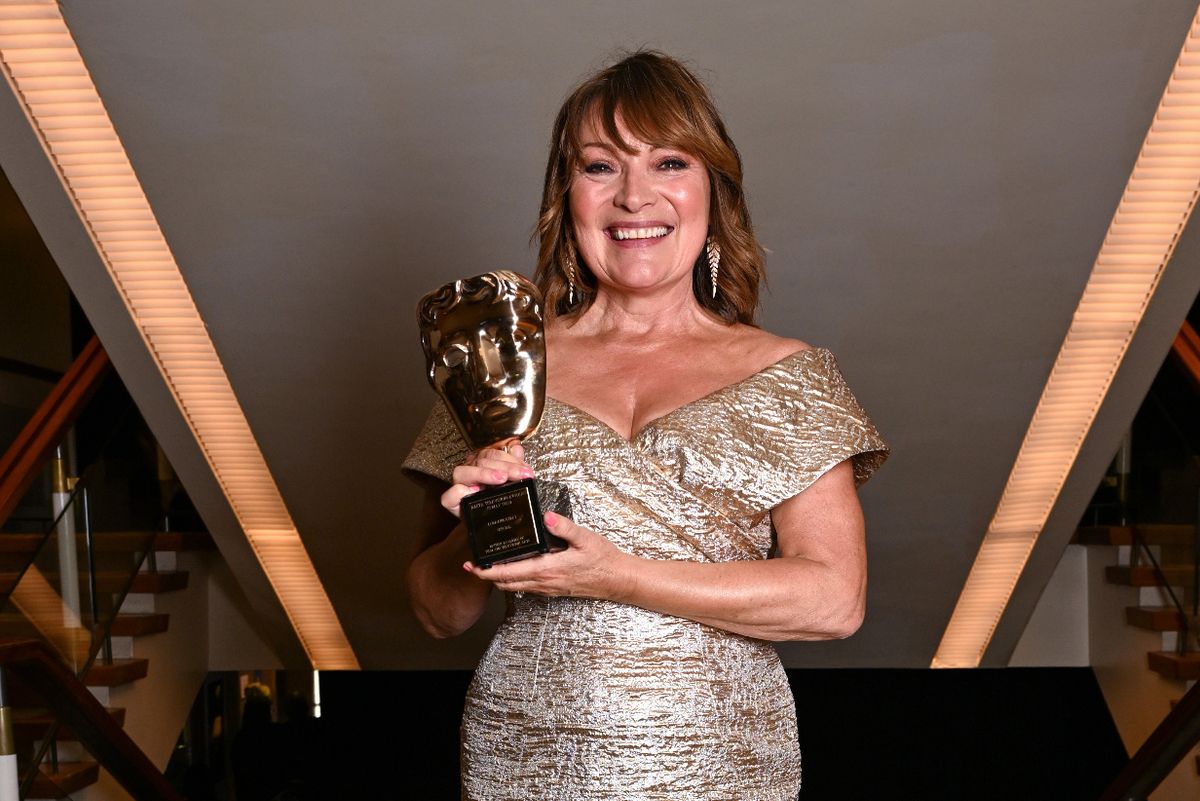
In response to Lorraine Kelly’s accusations, both BAFTA and the BBC have issued statements denying any wrongdoing. BAFTA emphasized its commitment to fairness, transparency, and the highest standards of integrity in its awards process. The organization stated that all winners are selected through a rigorous voting system involving industry professionals and that no external influence affects the outcome.
The BBC also rejected the allegations, calling them “unfounded” and “disappointing.” They highlighted the success of Scam Interceptors as a testament to the quality of their programming rather than any behind-the-scenes manipulation.
Despite these denials, the controversy has prompted calls for greater transparency in how award winners are chosen. Some industry insiders have suggested reforms such as independent audits of voting processes and clearer separation between broadcasters and judging panels to prevent similar disputes in the future.
What This Means for the Future of BAFTA Awards

The accusations made by Lorraine Kelly have cast a shadow over the BAFTA awards, potentially damaging the reputation of an institution that has long been regarded as a benchmark for excellence in film and television. If the claims of bias and pre-announced winners are proven true, it could lead to a loss of trust among both industry professionals and the viewing public.
Moreover, this controversy highlights a broader issue within award ceremonies worldwide: the challenge of maintaining impartiality when powerful media organizations are involved. Transparency and accountability are crucial to ensuring that awards remain meaningful and respected.
For viewers, this incident may prompt a more critical view of award results and encourage support for initiatives that promote fairness and openness in the entertainment industry.
Conclusion
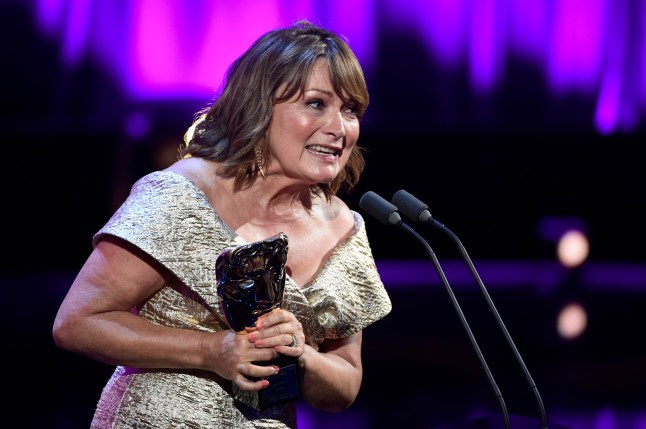
Lorraine Kelly’s bold accusations against the BAFTA organizers and the BBC have ignited a significant debate about the integrity of award ceremonies. While the allegations remain unproven, they underscore the importance of transparency and fairness in recognizing true talent. As the industry grapples with these issues, it is essential for organizations like BAFTA to reaffirm their commitment to impartiality and for viewers to stay informed.
If you want to stay updated on this developing story and other entertainment news, be sure to follow our coverage and share your thoughts on the future of award ceremonies. Your voice matters in shaping a fair and transparent media landscape.