Former MAFS Australia Bride Sierah Swepstone Opens Up About Abuse and Producer Negligence
Sierah Swepstone, a former bride on the popular reality TV show Married At First Sight (MAFS) Australia, has courageously spoken out about the abuse she experienced during her time on the program. After discovering that her on-screen partner had a violent past, Sierah revealed that the show’s producers failed to warn her or provide adequate support. This left her feeling isolated, vulnerable, and terrified throughout the filming process. Her story sheds light on the darker side of reality television and raises important questions about cast safety and ethical responsibility.
Sierah Swepstone’s Experience: Abuse Behind the Scenes of MAFS Australia
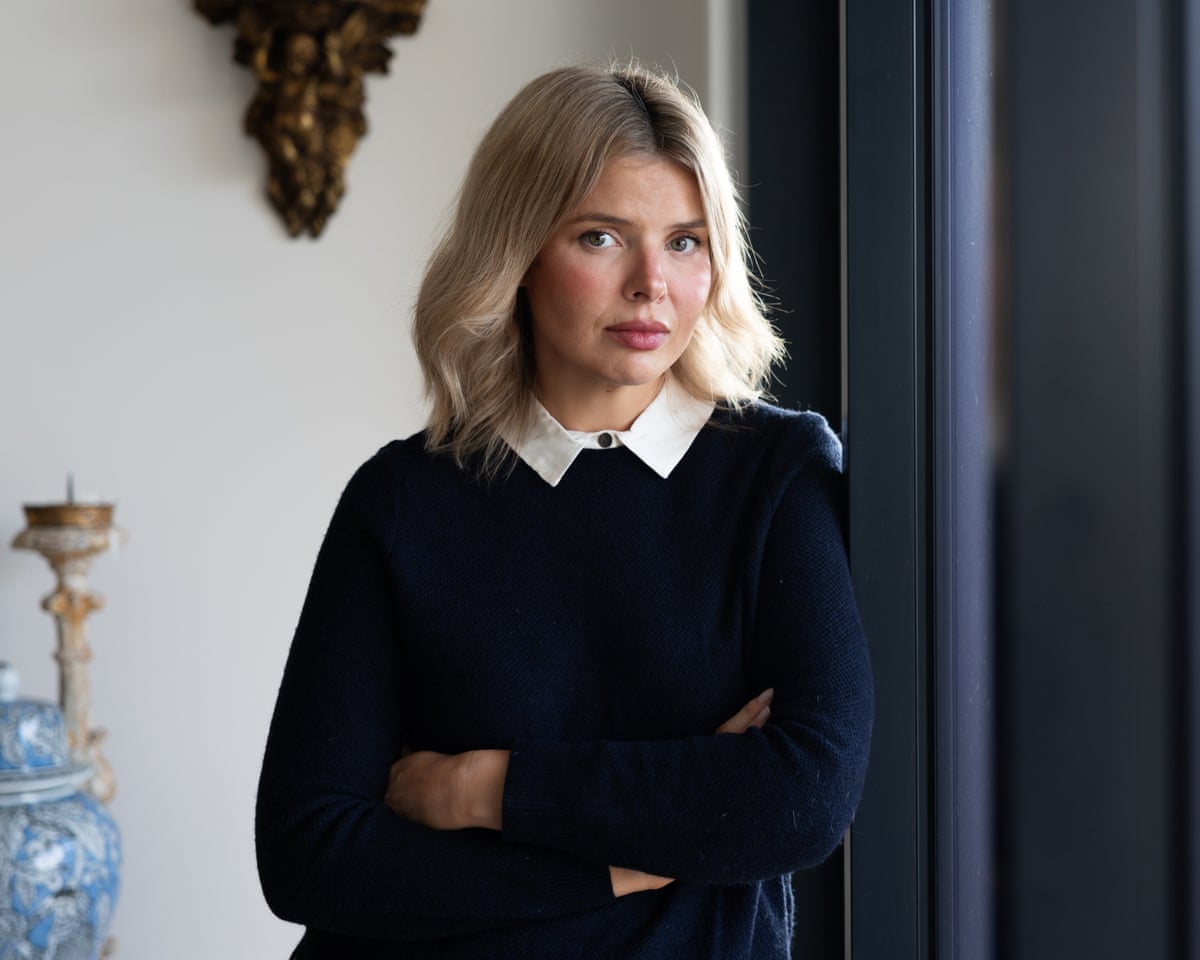
MAFS Australia has captivated audiences with its unique format, pairing strangers in arranged marriages and documenting their journey. However, the show’s glamorous facade often masks the emotional turmoil faced by participants. Sierah Swepstone’s revelation exposes how reality TV can sometimes prioritize entertainment over the well-being of its cast.
During her time on MAFS, Sierah was matched with a partner who had a history of violent behavior—a fact that was not disclosed to her by the producers. She shared that she was left alone with someone she barely knew, which made her feel unsafe and terrified. The lack of transparency and support from the production team contributed to her distress, highlighting a serious oversight in the show’s duty of care.
Sierah’s courage in speaking out has sparked conversations about the responsibilities of reality TV producers to thoroughly vet participants and ensure the safety of everyone involved. Her experience underscores the need for stricter protocols and better communication to protect vulnerable individuals on such shows.
The Impact of Producer Negligence on Cast Members’ Mental Health
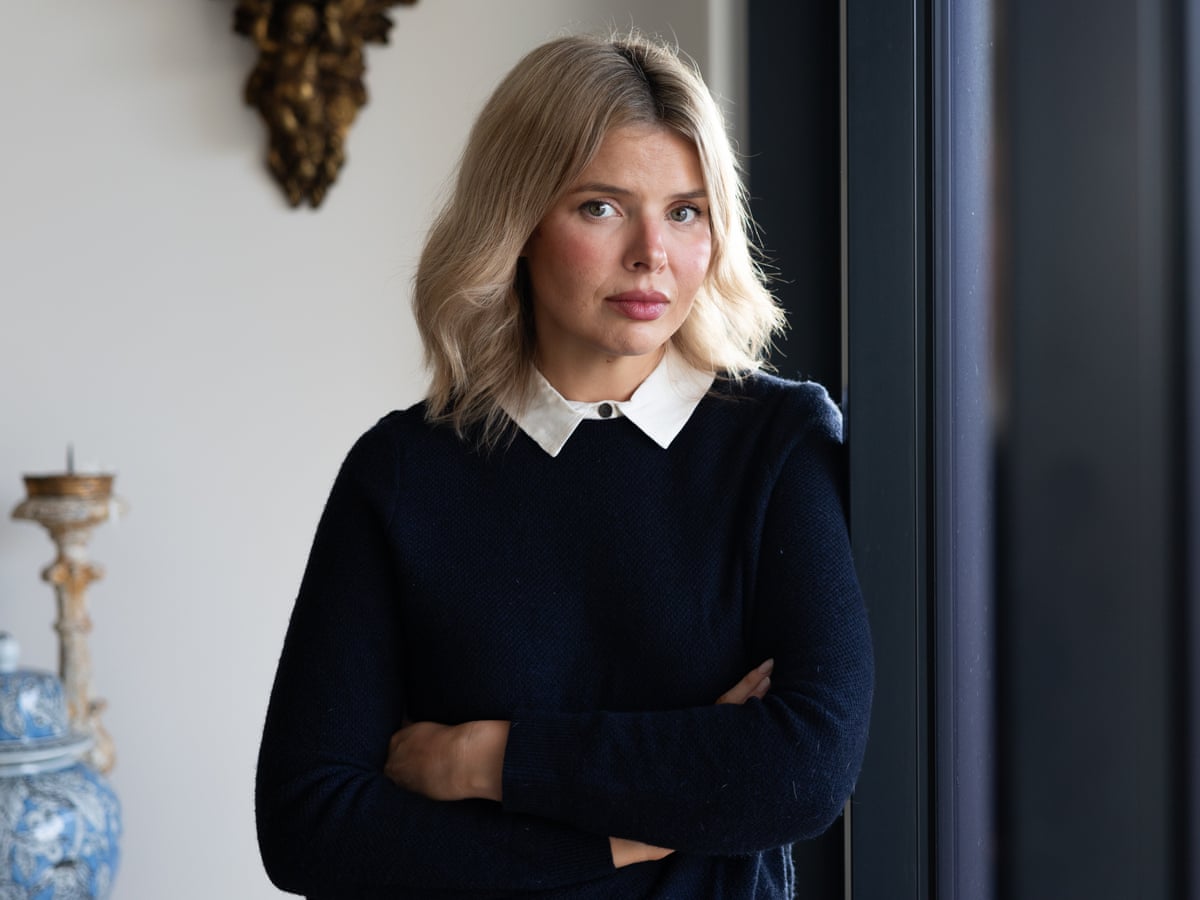
The emotional and psychological toll of participating in reality television can be significant, especially when cast members face abusive situations. In Sierah’s case, the failure of MAFS producers to inform her about her partner’s violent past left her isolated and fearful, exacerbating her trauma.
This negligence not only endangered her physical safety but also had lasting effects on her mental health. Many reality TV participants report feelings of anxiety, depression, and post-traumatic stress after filming, often due to inadequate support systems and the pressure to maintain a public image.
Sierah’s story is a powerful reminder that reality TV is not just entertainment—it involves real people with real emotions and vulnerabilities. Producers must prioritize the well-being of their cast by implementing comprehensive background checks, providing psychological support, and maintaining open lines of communication.
Calls for Reform: Ensuring Safety and Transparency in Reality TV
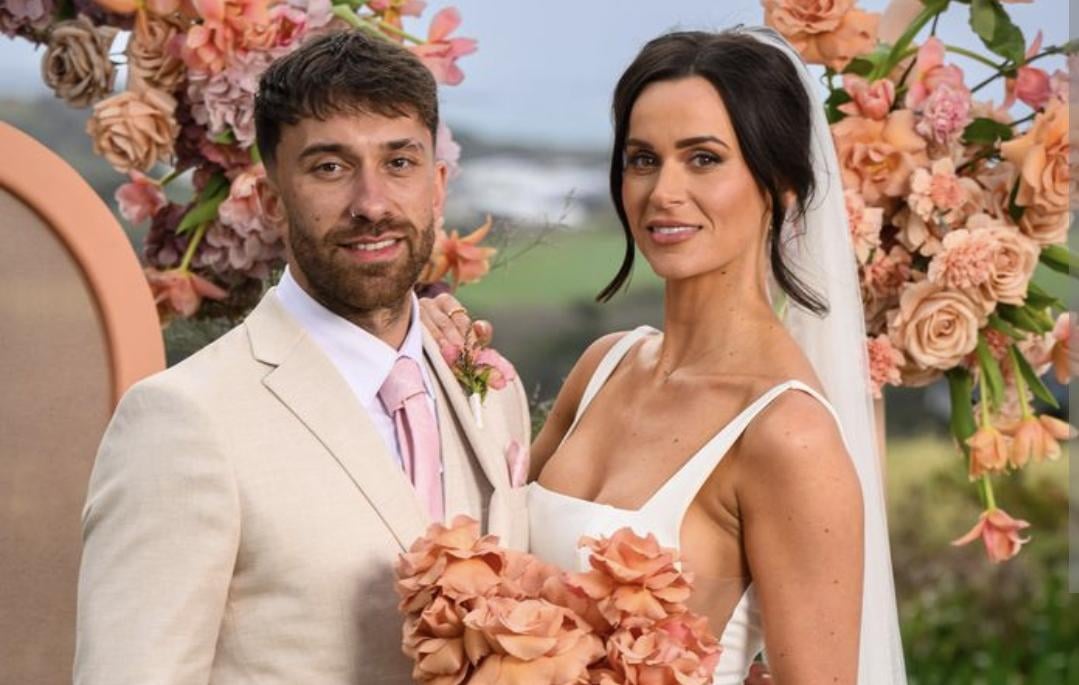
In light of Sierah Swepstone’s testimony, there is growing demand for reform within the reality TV industry. Advocates argue that shows like MAFS Australia should adopt stricter safety measures, including:
– Thorough background screenings of all participants to identify any potential risks.
– Transparent communication with cast members about their partners’ histories.
– Access to mental health professionals during and after filming.
– Clear protocols for reporting and addressing abuse or misconduct.
These changes aim to create a safer environment where participants can engage authentically without fear of harm or exploitation. Additionally, they encourage producers to balance entertainment value with ethical responsibility.
Conclusion
Sierah Swepstone’s brave disclosure about the abuse she suffered on MAFS Australia and the producers’ failure to warn her highlights critical issues within the reality TV industry. Her experience calls for urgent reforms to protect cast members from harm and ensure transparency throughout the production process. If you or someone you know has faced similar challenges on reality television, don’t hesitate to seek support and share your story. Together, we can advocate for safer, more ethical entertainment that respects the dignity and well-being of all participants.


