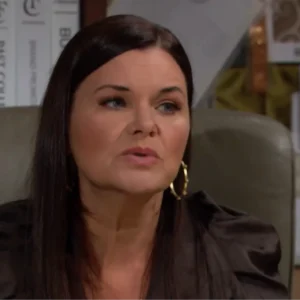
Sunny Hostin was publicly called out by a co-host after claiming the U.S. is a “misogynistic country.”

In a recent episode of the daytime talk show “The View,” co-host Sunny Hostin made a bold statement that sparked significant debate among her fellow hosts and viewers alike. Hostin claimed that the United States operates as a “misogynistic country,” citing the electoral defeats of prominent women such as Kamala Harris and Hillary Clinton as evidence of systemic gender bias in American politics. This assertion prompted a heated discussion regarding the perceptions and realities of gender dynamics within the political landscape.
The dialogue became not only a point of contention among the co-hosts but also reflected broader societal conversations surrounding the challenges women face in achieving leadership roles. The backlash from her colleagues was as diverse as the opinions of the audience that watches the show. Some co-hosts countered Hostin’s perspective, arguing that women’s representation in positions of power has improved in recent years, suggesting that these victories indicate progress rather than a misogynistic society.
The Impact of Gender Bias in Politics

Hostin’s statement touches on the deeper issues surrounding gender bias and representation in politics. Historical contexts reveal that women in the U.S. have had to navigate a political landscape that’s been traditionally dominated by men. The difficulties faced by candidates like Harris and Clinton, who both represented significant breakthroughs in gender politics, highlight a recurring theme: even when women secure leadership positions, they often confront barriers that their male counterparts do not.
Statistics from various studies support Hostin’s claims. Research has indicated that female candidates often receive harsher scrutiny, not only related to their policies but also regarding their personality and appearance. Such factors significantly contribute to a more challenging environment for women aspiring to leadership roles. Furthermore, the public response to female politicians demonstrates lingering biases that could be classified as misogynistic, reinforcing the notion that the U.S. still has a long way to go in terms of gender equality.
Discussion Among Co-hosts: Differing Perspectives

During the episode, several co-hosts engaged with Hostin’s claims, offering contrasting viewpoints. These discussions underscored the complexities of framing misogyny within the context of American electoral politics. For instance, some argued that the increased representation of women in Congress and other leadership roles illustrates a shift towards equality, contrary to Hostin’s assertion of pervasive misogyny. They point to the success of female candidates in various state and local elections as evidence that the political landscape is indeed changing.
Others maintained that even with the advancements, systemic challenges continue to exist. They emphasized the critical need to address the societal constructs that contribute to the perceptions of women’s capabilities in leadership positions. This exchange highlighted a vital point of contention: the distinction between progress and the underlying issues that still hinder complete gender equality in the political arena.
Broader Implications and the Ongoing Debate
The debate over Hostin’s statement does not end with her assertion. It serves as a launching pad for further discussions about the representation of women in politics, the nature of misogyny, and the societal systems that perpetuate bias. Advocates for gender equality often stress the importance of recognizing both the victories achieved and the barriers that still exist. Understanding these dynamics is crucial for developing effective strategies for overcoming misogynistic stereotypes that may influence both voters and political institutions alike.
This ongoing conversation extends beyond the talking heads of “The View” and into broader societal discourse. Public and media discussions about misogyny and gender representation play a significant role in shaping policies and perceptions. As women continue to challenge the status quo, the spotlight remains on the nuances of how misogyny manifests in politics, urging society to address these cultural and systemic issues head-on.
Conclusion
The debate sparked by Sunny Hostin’s remarks highlights the complexities of discussing gender dynamics in America today. While strides have been made toward gender equality, the question of whether the U.S. is truly free from misogyny remains contentious. As viewers and citizens, staying informed and involved in these discussions is crucial. Share your thoughts on this issue and explore ways to support women in leadership roles in your community.