A Behind-the-Scenes Photo Was Deleted from ABC’s Internal Network Just 10 Minutes After Being Posted Due to a Revealing Look Between Robin Roberts and a Female Colleague

In the fast-paced world of television, every moment is captured, scrutinized, and sometimes swiftly erased. Recently, a behind-the-scenes photo featuring the well-known journalist Robin Roberts and a female colleague sparked intrigue before being deleted just ten minutes after its initial posting on ABC’s internal network. This incident raises questions about the dynamics of workplace interactions and what constitutes a breach of professional decorum in the entertainment industry.

The brief existence of the photo showcased not only the camaraderie among colleagues but also highlighted Robin Roberts’ reputation for being approachable and engaging with her team. However, the image’s immediate removal indicates that it may have been perceived as too revealing, hinting at potential boundaries being crossed in a professional setting. Such reactions could indicate a broader conversation about how interactions are viewed in the context of modern workplaces.
Understanding the Context: Workplace Interactions in Media

In a high-pressure environment like a television studio, relationships among crew members and on-air talent are essential. These interactions, while often lighthearted, must navigate the delicate balance between friendliness and professionalism. For Robin Roberts, being a beloved figure on ABC often leads to increased scrutiny regarding her interactions with colleagues.
Workplace culture in media is dynamic. Often, teams strive to cultivate an environment of creative freedom where laughter and collaboration thrive. Yet, the nature of close-knit teams juxtaposes with the necessity for professionalism, particularly in how moments are captured and shared among staff. The decision to delete the photo within such a short timeframe illustrates the industry’s need to carefully manage public perception, especially in today’s digital age where anything shared can quickly become fodder for speculation.
The Implications of Rapid Deletion in the Digital Age
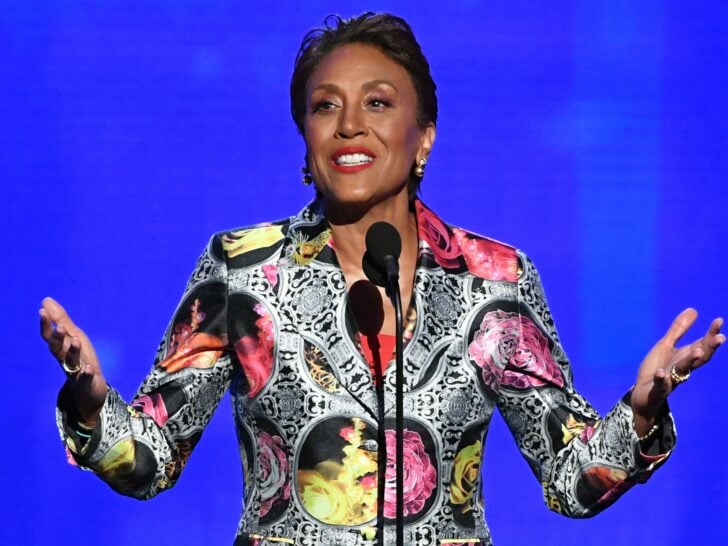
In an age where sharing moments online happens in seconds, the instantaneous deletion of content raises important questions about the future of workplace communications and relationships. The swift removal of the behind-the-scenes photo suggests that the producers at ABC were keenly aware of how it could be interpreted through the public lens.
The implications of such deletions extend beyond the immediate content. They signal a need for established norms and protocols governing what can be shared internally versus what remains private. In the case of Roberts, who commands a respected position within the network, the concerns over the image may stem from past experiences in the media landscape where insinuations can snowball into larger narratives.
Navigating Perceptions: The Role of Media Professionals

The media industry is under continuous scrutiny; thus, professionals like Robin Roberts must navigate how they present themselves in both personal interactions and public appearances. Images, such as the recently deleted photo, can easily be misconstrued without context, leading to unnecessary speculation regarding workplace relationships.
To maintain integrity and trust, it is pivotal for everyone in the industry to be mindful of how their behavior may be perceived. Media personalities, in particular, need to establish clear boundaries while fostering an environment of openness and support. This balance can ultimately influence not just their careers but also the overall workplace atmosphere.
Conclusion

The deleted photo of Robin Roberts and her colleague serves as a reminder of the complexities present in today’s media landscape. The rapidity of digital sharing and removal engenders an evolving dialogue about workplace dynamics, professionalism, and personal interactions. As conversations about these topics unfold, media professionals and the public alike may find themselves contemplating new standards for communication in the workplace. For those interested in a deeper exploration of media ethics and workplace culture, let’s connect and continue this conversation.


