Al Roker reveals a top NBC executive once banned him from speaking publicly for ‘damaging the network’s image’

In a startling revelation, Al Roker, the well-known television personality and weatherman for NBC, disclosed that a senior executive at the network once placed a ban on him speaking publicly. This decision stemmed from the belief that Roker’s words could potentially damage the network’s image. For many, this news raises questions about the constraints faced by prominent figures in media and the dynamics of corporate image management within major television networks.
The Weight of Words: Roker’s Experience

Al Roker’s candid revelation underscores a critical aspect of celebrity culture—how the voices of public figures can impact a brand. While Roker is known for his engaging and open personality, the restrictions placed on him illustrate the delicate balance between individual expression and corporate interests. Executives often prioritize the network’s reputation, fearing any missteps could tarnish their carefully curated public image.
This incident prompts a broader discussion about the challenges that personalities like Roker face in navigating their own public personas while adhering to the boundaries set by their employers. In an age where social media and public appearances are more influential than ever, maintaining a positive brand image takes precedence, leaving individuals in a precarious position. Roker’s experience spots light on the often invisible pressures that come with fame.
Understanding the Corporate Perspective

From a corporate standpoint, the concern over a network representative making controversial remarks is valid. Media houses depend heavily on their image to attract viewership and advertisers. Any public miscommunication can lead to financial losses or erosion of trust amongst viewers. Executives meticulously assess how their employees’ conduct aligns with their brand values. Hence, the prohibition on Roker was likely an attempt to cultivate a consistent, favorable public perception of NBC.
Executives may analyze past incidents where other media figures faced backlash from their comments, leading to undesirable consequences. The memo against Roker demonstrates a strategic choice to mitigate risk. It shows that while Roker’s role as an anchor is pivotal, the corporate team’s radar is always on, filtering what is deemed appropriate for the network’s narrative.
The Evolution of Media Relations

As the media landscape evolves, so too does the approach to conflict between personal expression and corporate protocol. Unlike previous decades, today’s communication platforms allow for instantaneous sharing of information, making it imperative for networks to remain vigilant about the public statements made by their representatives. The stakes are higher, and the repercussions can be swift and unforgiving.
In recent years, we have witnessed a shift toward networks allowing their talents more freedom in expressions. Al Roker himself, after all, remains a beloved figure due in part to his authenticity. This leaves us pondering whether Roker’s situation was a remnant of an earlier era or an isolated incident reflective of an antiquated mindset. As audiences increasingly favor transparency and genuineness, the industry must adapt to these changing expectations.
Roker’s situation invites conversations surrounding the future of media relations. How will broadcasting organizations balance the need for a polished image with the authentic voices of their presenters? It will be fascinating to see whether this encourages a more open dialogue among networks, employees, and audiences about the standards of speech and expression moving forward.
The Broader Implications for Public Figures
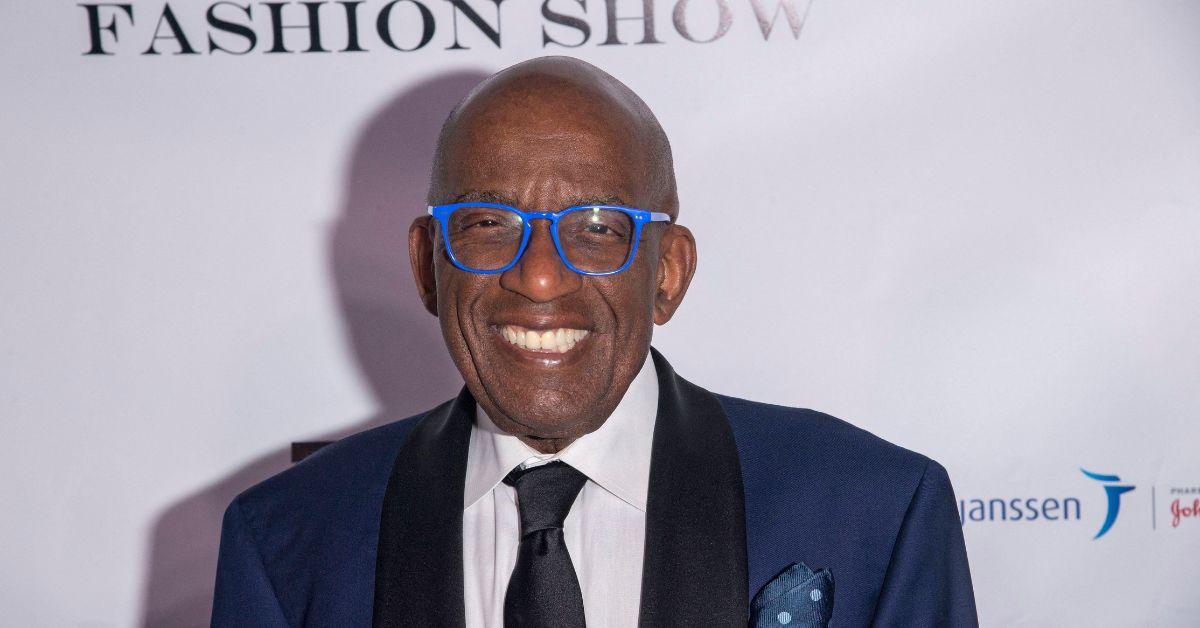
Roker’s experience is not an outlier. Many public figures in various industries face similar constraints, where their freedom of speech may be limited by their representatives. This can lead to a sense of disillusionment, as being voiceless in the public arena goes against the very nature of celebrity culture. High-profile individuals often find their careers entwined with corporate agendas, sparking questioning about their agency and autonomy.
Consequently, this situation emphasizes the need for conversations surrounding personal branding and the role of corporate influence. How might public figures navigate their careers while promoting their personal truth? Roker’s experience can serve as a cautionary tale while also allowing for greater evolution towards embracing individual narratives within corporate frameworks.
Conclusion

Al Roker’s revelation about being muzzled by a senior NBC executive speaks to the heart of complex media dynamics, ultimately illustrating the tightrope that anchors must walk. As media continues to evolve, it becomes increasingly important for networks to reconsider how best to support their talent in expressing themselves while also safeguarding the brand. The future of media relations depends on striking this balance, fostering an environment where individuals can thrive publicly, and corporations can maintain their brand integrity. As we continue to reflect on such dynamics, it becomes evident that an ongoing dialogue needs to take place. To stay updated on these developments and the evolving landscape of media relations, sign up for our newsletter today!


