Ana Navarro Grills Controversial Politician Anthony Weiner About Being a Registered Sex Offender Live on “The View”

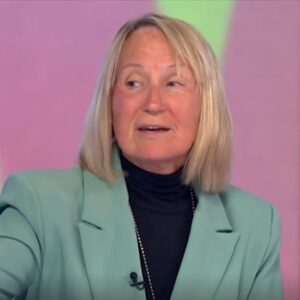
In a highly anticipated episode of “The View,” Ana Navarro confronted Anthony Weiner, a controversial figure in American politics, regarding his past as a registered sex offender. The spotlight on Weiner intensified following his attempts to make a political comeback in New York City, prompting the show’s cohost to pose probing questions about his history of scandals. This candid exchange provided viewers with insights into Weiner’s reflective journey, and whether he merits a second chance in public office.
Unpacking Anthony Weiner’s Past Scandals

Anthony Weiner first gained notoriety in 2011 when he was ensnared in a sexting scandal. The incident forced him to resign from Congress and led to significant media scrutiny. Years later, in 2016, Weiner faced legal consequences after being convicted of sending lewd texts to a minor, which ultimately resulted in a prison sentence. During his appearance on “The View,” Navarro emphasized these critical moments, questioning why voters should overlook his tumultuous history.
“Your past is really difficult to excuse,” Navarro stated, clearly displaying her skepticism. She challenged Weiner to define what might warrant public support after such serious missteps. In his response, Weiner accepted full responsibility for his actions while urging voters to see the person he has endeavored to become in the years since these events unfolded. He spoke candidly about his recovery from addiction and his ongoing commitment to personal growth.
Transformation and Second Chances in Politics
Weiner delicately articulated that admitting to one’s faults should not permanently disqualify an individual from serving the public. He contended that political figures often try to bury their mistakes instead of acknowledging them, which can lead to a lack of trust among constituents. His approach, characterized by transparency, was lauded by some viewers as a refreshing departure from typical political rhetoric.
In addition to discussing his past, Weiner emphasized the importance of redemption. He posited that society must be willing to grant second chances, especially in politics, where the electorate often judges candidates based solely on their past actions. The genuine nature of his commentary was apparent, and the studio audience’s response conveyed a mixture of support and skepticism about his potential return to public life.
Gender Dynamics and the Political Landscape
Another poignant element of the discussion revolved around gender dynamics within politics. Weiner thoughtfully reflected on his marriage to Huma Abedin and the societal pressures that women encounter in the political sphere. As he articulated his perspective on sexism in politics, the dialogue shifted to the challenges that women face when standing alongside male counterparts, especially in a highly scrutinized environment.
His remarks served to remind viewers that political mistakes can often impact not just the individual but also those connected to them. Certain moments during the interview sparked introspection not just about his journey but about the broader implications of political behavior and public sentiment. It provoked a wider dialogue regarding whether society is equipped to embrace individuals seeking to amend their ways.
The Audience’s Reaction and Future Implications
As the segment concluded, Navarro highlighted the audience’s engaged response, which included applause for Weiner’s frank assertions. His candidness about the risks associated with his potential re-entry into politics appeared to resonate with a portion of the viewers. Some appreciated his willingness to discuss his flaws openly, while others remain guarded, questioning the sincerity of political redemption narratives.
This episode of “The View” not only spotlighted Weiner’s intention to return to the political realm but also raised essential questions about accountability, honesty, and the aspirational nature of redemption in public service. The discussions underscore the ongoing complexities within American politics about who deserves another chance, particularly regarding individuals with controversial pasts.
In an era marked by heightened communication and transparency, the dialogue initiated by Navarro and Weiner serves as a powerful reminder that the public’s expectations of their leaders are evolving. As voters reflect on their values, Weiner’s situation underscores a vital conversation about responsibility, remorse, and the possibility of renewal in a fast-paced political landscape.
As we witness ongoing debates about redemption and accountability in politics, it is crucial for viewers and voters alike to engage in these conversations and evaluate the depths of character against the backdrop of political aspirations. Discovering how to weigh past actions against the potential for future contributions remains a pertinent issue, one that will likely influence upcoming electoral decisions.
What are your thoughts on second chances for politicians like Anthony Weiner? Engage with us and share your views on this critical dialogue about personal transformation and public trust.