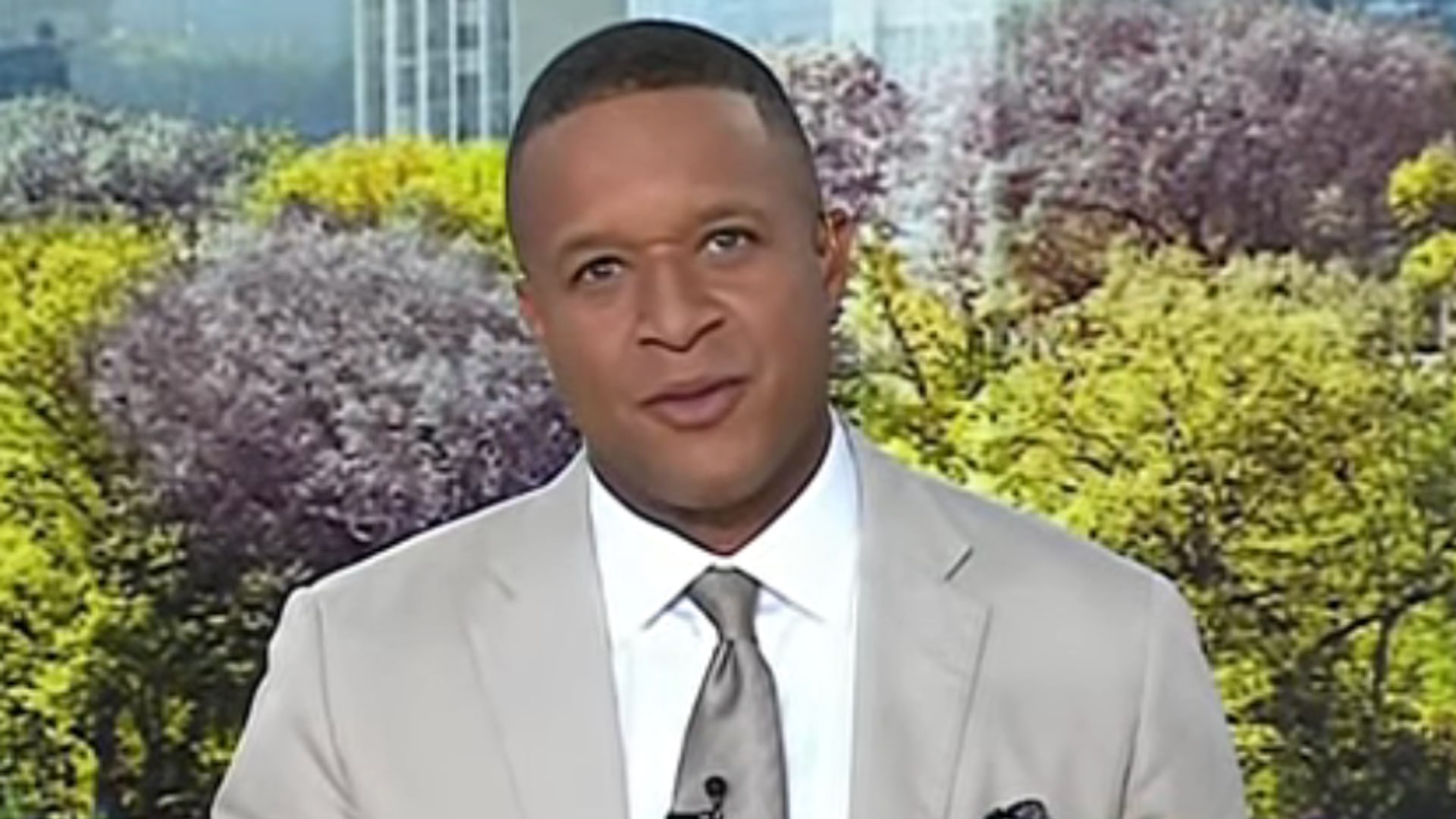
Craig Melvin Refuses to Hint Any Further and Bluntly Condemns His Co-Host’s “Hateful” Divisive Conversation on the Show: “Please, Just Don’t Be So Fake, Okay?”

In the ever-evolving landscape of daytime television, keeping conversations authentic and respectful is paramount. Recently, Craig Melvin, a prominent figure on NBC’s Today show, found himself embroiled in controversy when he openly condemned one of his co-hosts for a “hateful” and divisive discussion that unfolded live on air. His blunt remarks have since sparked widespread conversation about the importance of genuine dialogue among professionals in media.
Craig Melvin’s Stand on Authenticity in Conversations

Craig Melvin’s candid approach to addressing the issue highlights a crucial aspect of television journalism: the need for honesty in public discourse. During a segment that veered into divisive territory, Melvin interjected to remind his co-host of the importance of maintaining an atmosphere of respect and genuine conversation. “Please, just don’t be so fake, okay?” he remarked, encapsulating his frustration with the fabricated narratives that often surface in the media world.
This incident serves as a reminder that hosts and journalists play a significant role in shaping societal narratives. By expressing his discontent so openly, Melvin not only defended the integrity of their program but also urged his co-host and viewers alike to pursue authenticity in their daily interactions, whether in media or personal conversations.
The Impact of Media Conversations on Public Perception

The ripple effects of divisive conversations on television can lead to negative public perception and societal polarization. In today’s fast-paced media environment, viewers often absorb opinions and ideas without critically assessing their validity or the motivations behind them. When co-hosts engage in confrontational or hateful rhetoric, it can reinforce existing biases and diminish trust in media platforms.
Melvin’s condemnation of the conversation reflects a growing awareness among media professionals about their responsibility. They have the power to influence public sentiment and can choose to foster thoughtful discourse instead of sensationalism. As influential figures, hosts like Melvin have a unique opportunity to challenge harmful dialogues, guide discussions toward constructive outcomes, and model respectful engagement.
Navigating Controversial Topics with Care

Navigating controversial topics in media requires a delicate balance of sensitivity and straightforwardness. Melvin’s confrontation encourages other broadcasters to examine their approach to divisive subjects, advocating for nuanced conversations that allow for differing viewpoints without fostering hostility. By steering discussions away from hatred and divisiveness, they can create a platform that encourages understanding and empathy.
For viewers, witnessing a host speaking candidly about the tone and appropriateness of discussions can be refreshing. It sets an example of vulnerability and honesty, fostering a media environment where people feel safe to express their thoughts freely. As a result, this contributes to broader public discourse that values kindness and respectful exchanges over conflict and anger.
Looking Ahead: The Role of Media Personalities in Shaping Dialogue

As the media landscape continues to evolve, the role of personalities like Craig Melvin is increasingly significant. His refusal to accept a “fake” conversation sparks an important discussion about the future of media discourse. It opens the door for industry professionals to cultivate platforms encouraging widespread honest dialogues and diminish divisiveness.
Moreover, as viewers become more engaged in these critical conversations, they may demand a higher standard from journalists. The expectation for authenticity can lead to a transformation in how media outlets operate. In this age of information overload, Melvin’s call for genuine dialogue is timely and essential. The responsibility to foster substantive discussions will increasingly rely on media figures, who can shape public perceptions through their integrity and ethical considerations.
Conclusion

Craig Melvin’s bold stance against divisive rhetoric serves as a clarion call for authenticity in media discussions. His passionate reminder to co-hosts about being genuine underscores the need for a shift towards more compassionate and thoughtful dialogues in the industry. It is a reminder that, ultimately, media personalities have the power to influence not just content but also the culture surrounding discourse. Let’s advocate for a media environment that prioritizes respect and understanding in conversations moving forward. Join the conversation and share your thoughts on how we can collectively foster a healthier dialogue in media!