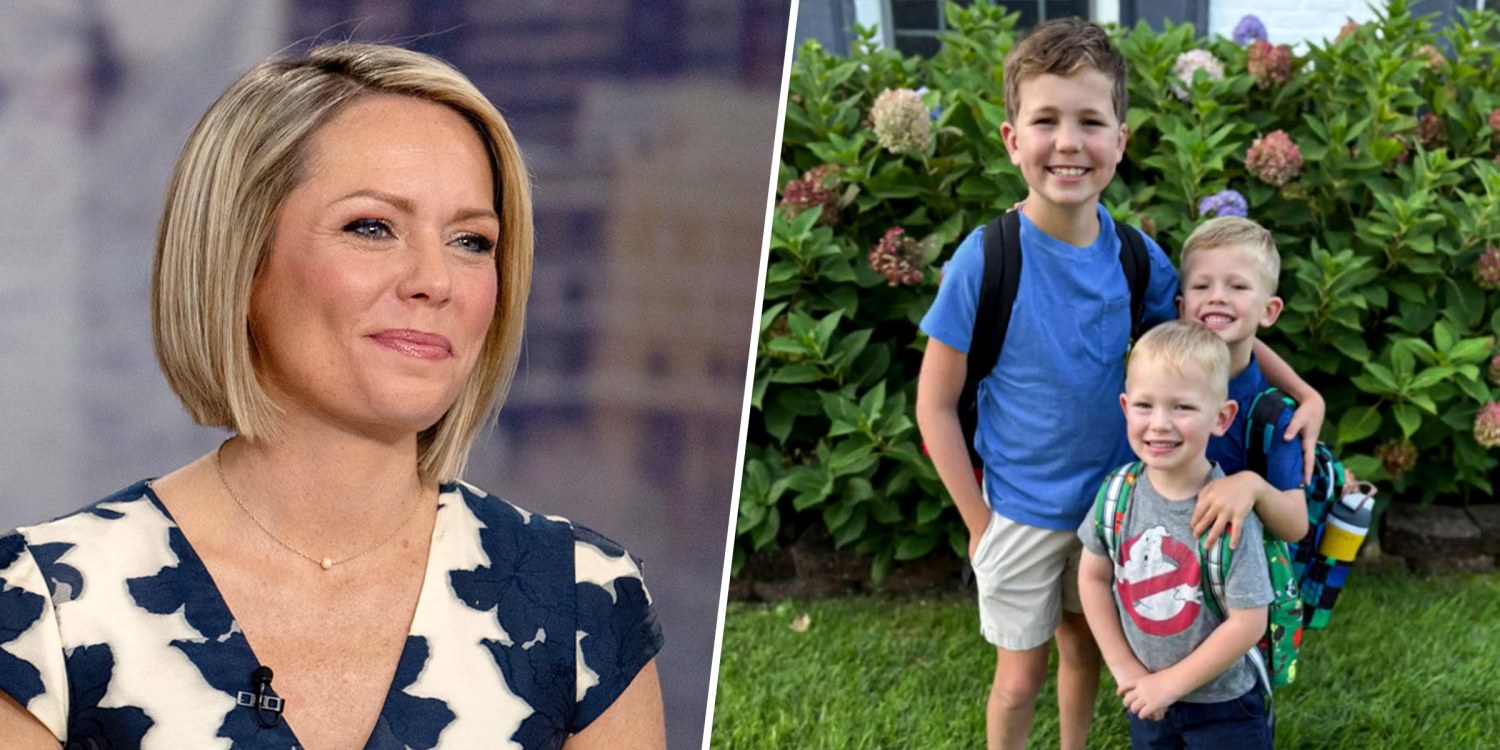
Dylan Dreyer Heartbreakingly Revealed the Psychological Condition Her Son Is Facing After Her Divorce from Her Husband: “I’m the One Who Caused Him to Not Grow Up Normally”
Dylan Dreyer, the beloved meteorologist and television personality, recently opened up about the emotional and psychological challenges her son has been facing following her divorce. In a heartfelt and candid revelation, Dreyer expressed the deep impact the separation has had on her child’s development, admitting that she feels responsible for the difficulties her son is experiencing. This emotional disclosure sheds light on the often unseen struggles families endure during and after divorce, especially from the perspective of a parent trying to navigate the complexities of co-parenting and emotional healing.
The Psychological Condition Affecting Dylan Dreyer’s Son After Divorce
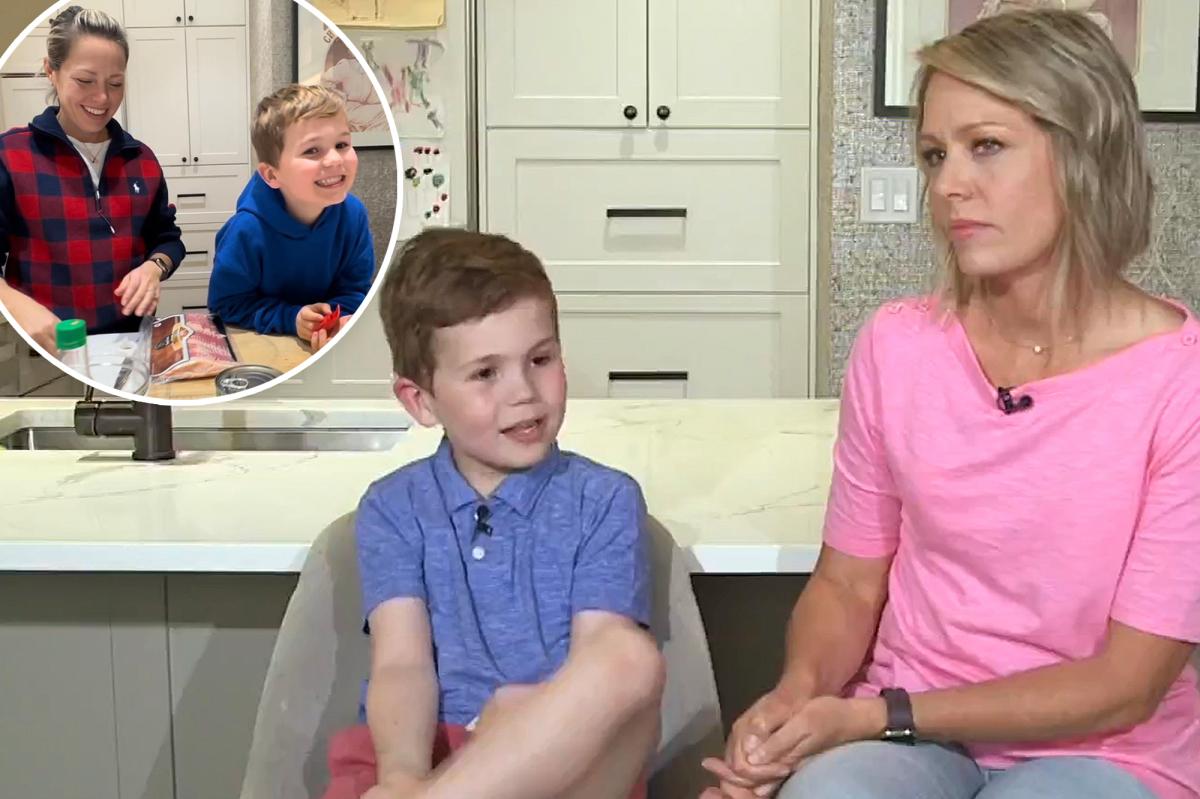
Divorce is a life-altering event that can have profound effects on children, and Dylan Dreyer’s story is a poignant example of this reality. She revealed that her son is currently dealing with a psychological condition that has affected his emotional growth and overall well-being. While Dreyer did not specify the exact diagnosis, she described symptoms and behaviors that suggest her son is struggling to cope with the changes brought on by the family’s separation.
Dreyer’s admission, “I’m the one who caused him to not grow up normally,” reflects the guilt and responsibility many parents feel when their children face emotional or psychological challenges after a divorce. It is a reminder that while divorce is often necessary for the well-being of the adults involved, it can also create a ripple effect that impacts children in unexpected and difficult ways.
Experts agree that children of divorced parents may experience a range of psychological issues, including anxiety, depression, attachment difficulties, and behavioral problems. These challenges can stem from feelings of abandonment, confusion about family dynamics, and the stress of adjusting to new living arrangements. Dreyer’s openness about her son’s condition helps to destigmatize these struggles and encourages other parents to seek support and understanding.
Dylan Dreyer’s Journey Through Divorce and Parenting Challenges
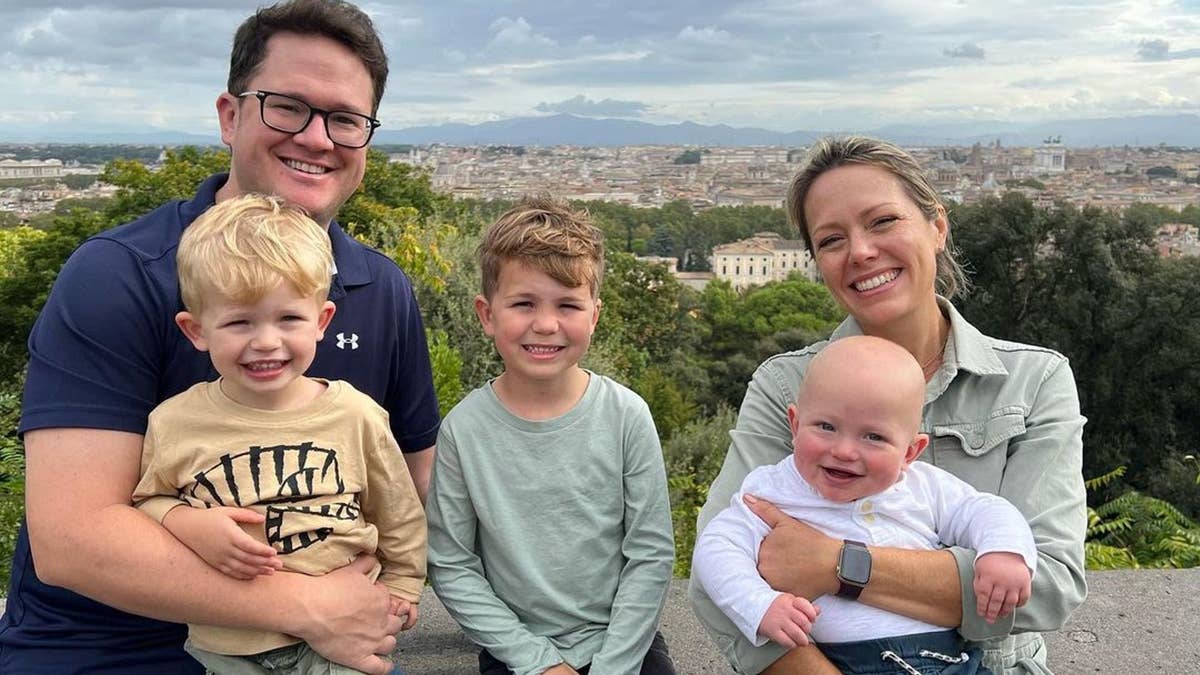
Dylan Dreyer’s journey through divorce has been marked by both personal and public challenges. As a well-known figure, she has had to balance her career, public image, and the emotional needs of her family. Her willingness to share her story publicly is a testament to her strength and commitment to transparency.
In interviews and social media posts, Dreyer has spoken about the difficulties of co-parenting and the importance of prioritizing her children’s emotional health. She acknowledges that the process has been far from easy, but she remains dedicated to providing a supportive environment for her son and daughter.
Dreyer’s story highlights the importance of mental health awareness and the need for parents to seek professional help when their children show signs of psychological distress. Therapy, counseling, and open communication can play vital roles in helping children navigate the complexities of divorce and emotional upheaval.
Supporting Children Through Divorce: Lessons from Dylan Dreyer’s Experience
Dylan Dreyer’s experience offers valuable lessons for parents facing similar situations. Here are some key takeaways to consider when supporting children through the challenges of divorce:
1. **Acknowledge and Validate Emotions:** Children need to feel heard and understood. Encouraging open conversations about their feelings can help them process the changes in their family.
2. **Seek Professional Help:** If a child shows signs of psychological distress, consulting a mental health professional can provide necessary support and coping strategies.
3. **Maintain Stability and Routine:** Consistency in daily life helps children feel secure during times of change.
4. **Co-Parent Collaboratively:** Effective communication and cooperation between parents can minimize conflict and create a more positive environment for children.
5. **Practice Self-Compassion:** Parents should recognize that feelings of guilt are common but should not overshadow the efforts being made to support their children.
Dylan Dreyer’s openness about her son’s psychological condition and her own feelings of responsibility highlight the complexities of parenting through divorce. Her story encourages empathy and understanding for families navigating similar challenges.
Conclusion
Dylan Dreyer’s heartbreaking revelation about her son’s psychological condition following her divorce underscores the profound impact family changes can have on children’s emotional development. Her candidness serves as a powerful reminder of the importance of mental health awareness and compassionate parenting during difficult times. If you or someone you know is struggling with the effects of divorce on children, don’t hesitate to seek professional support and resources. Remember, healing is possible, and no parent has to face these challenges alone. Take the first step today toward creating a healthier, happier environment for your family.