VIDEO: Trey Yingst’s mother collapsed right at the hospital after seeing him return from Israel: “The doctors even refused to let me in to see my boy…”
Trey Yingst’s Mother Collapses at Hospital After His Return from Israel
The emotional reunion between Trey Yingst and his mother took an unexpected turn when she collapsed at the hospital after seeing him return from Israel. This deeply moving moment highlights not only the physical and emotional toll of Trey’s journey but also the intense stress experienced by his family. The incident was further complicated when hospital staff initially refused to allow her to see her son, adding to the distress of the situation.
The Emotional Impact of Trey Yingst’s Return from Israel
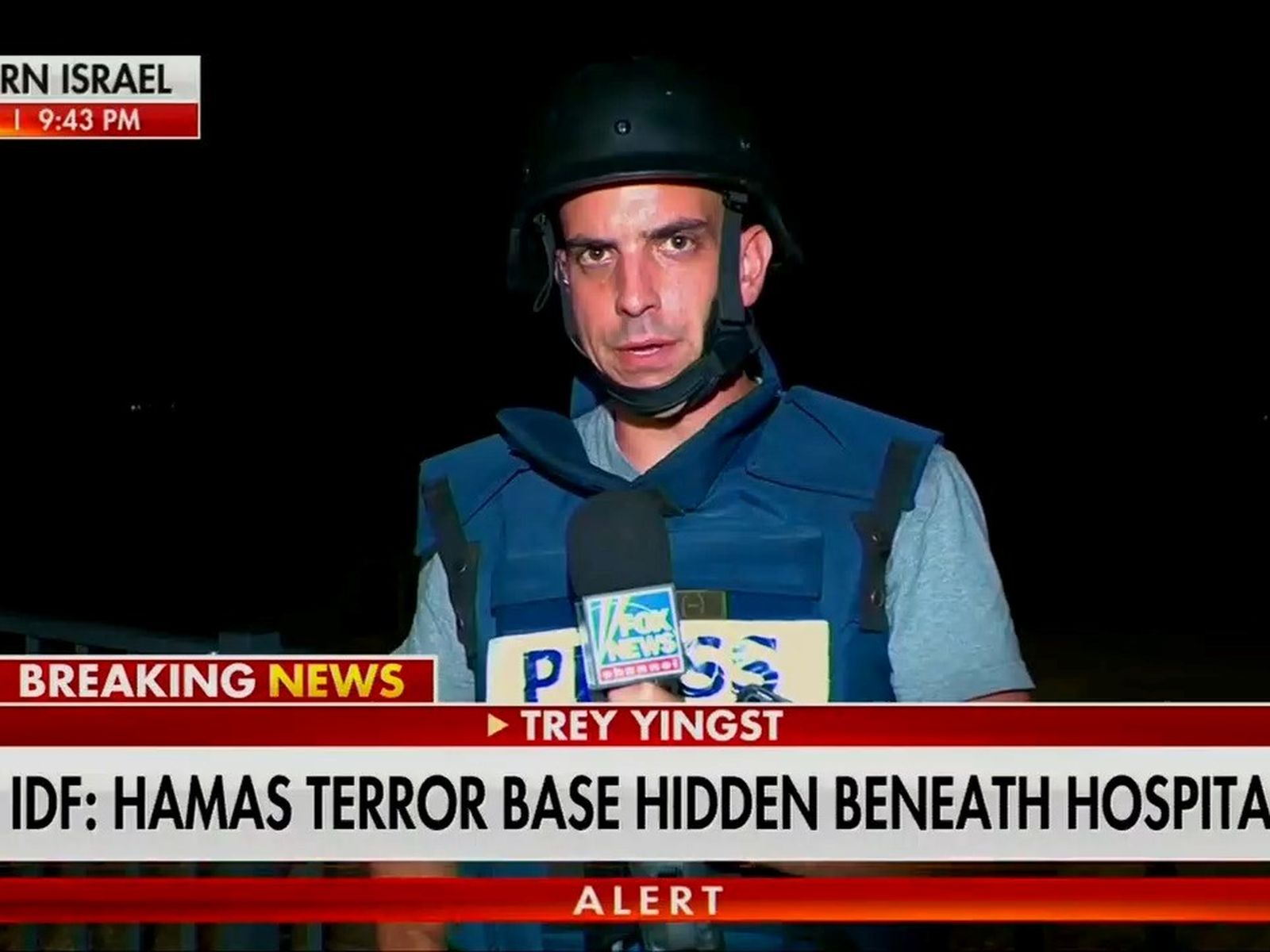
Trey Yingst, a well-known journalist, recently returned from Israel after covering significant events in the region. His mother, overwhelmed with relief and joy, rushed to the hospital to see him. However, the emotional intensity of the moment proved too much for her, leading to her sudden collapse. This incident underscores the profound emotional strain that families of frontline reporters often endure.
The refusal of doctors to let her in immediately added to the tension. Hospital protocols, especially during sensitive times, can sometimes restrict access, but for a mother eager to see her son after a challenging assignment, the denial was heartbreaking. Fortunately, after some time, she was allowed to reunite with Trey, making the moment even more poignant.
Understanding the Challenges Faced by Families of Journalists in Conflict Zones
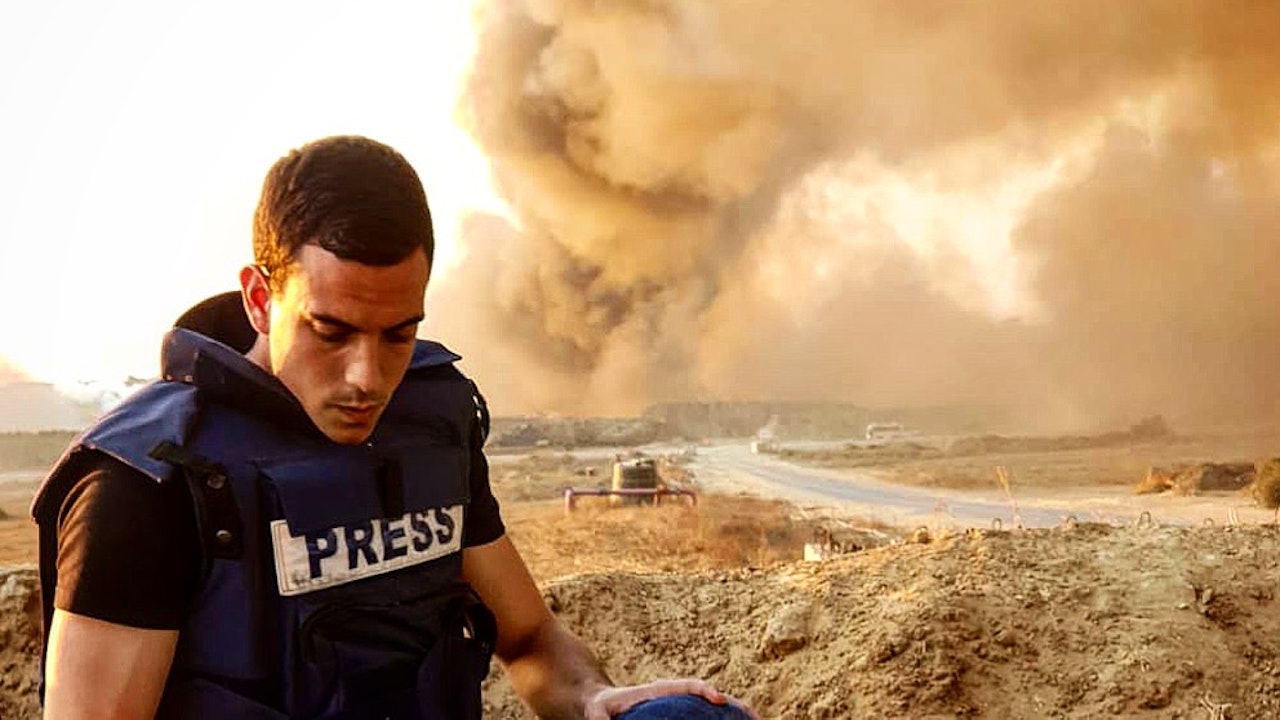
Journalists like Trey Yingst who report from conflict zones face numerous dangers, including physical harm and psychological stress. Their families, while not on the front lines, experience their own set of challenges. The constant worry, the uncertainty of their loved one’s safety, and the emotional rollercoaster during and after assignments can be overwhelming.
In Trey’s case, his mother’s collapse is a stark reminder of the hidden struggles behind the scenes. It also highlights the importance of support systems for families of journalists. Hospitals and medical staff play a crucial role in providing not only medical care but also emotional support during such critical moments.
The Role of Medical Staff During Emotional Crises
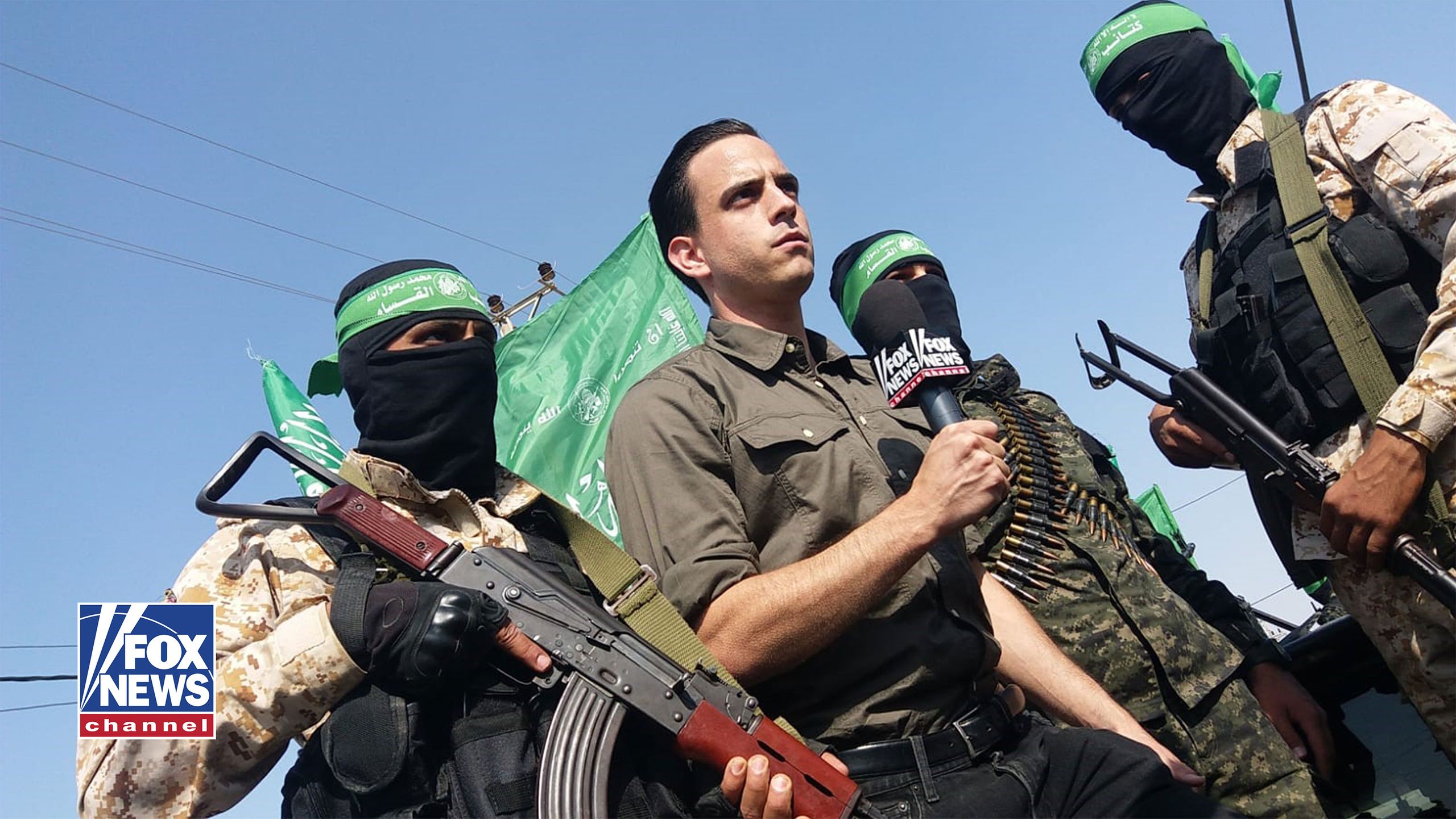
The hospital’s initial refusal to allow Trey’s mother to see him may have been due to strict protocols or concerns about her health condition. However, this decision had a significant emotional impact. Medical professionals must balance patient care with compassion, especially when dealing with family members in distress.
This incident serves as a case study for hospitals to review their policies on family access during emergencies. Ensuring clear communication and providing emotional support can help prevent additional trauma for families already under immense stress.
How Trey Yingst’s Story Resonates with Many Families Worldwide

The story of Trey Yingst and his mother is not unique. Families of individuals working in high-risk environments often face similar emotional challenges. Whether it’s military personnel, emergency responders, or journalists, the fear and anxiety experienced by loved ones are universal.
Sharing stories like Trey’s helps raise awareness about the emotional toll on families and the need for better support systems. It also encourages empathy and understanding from the public and institutions involved.
Supporting Families During Difficult Times
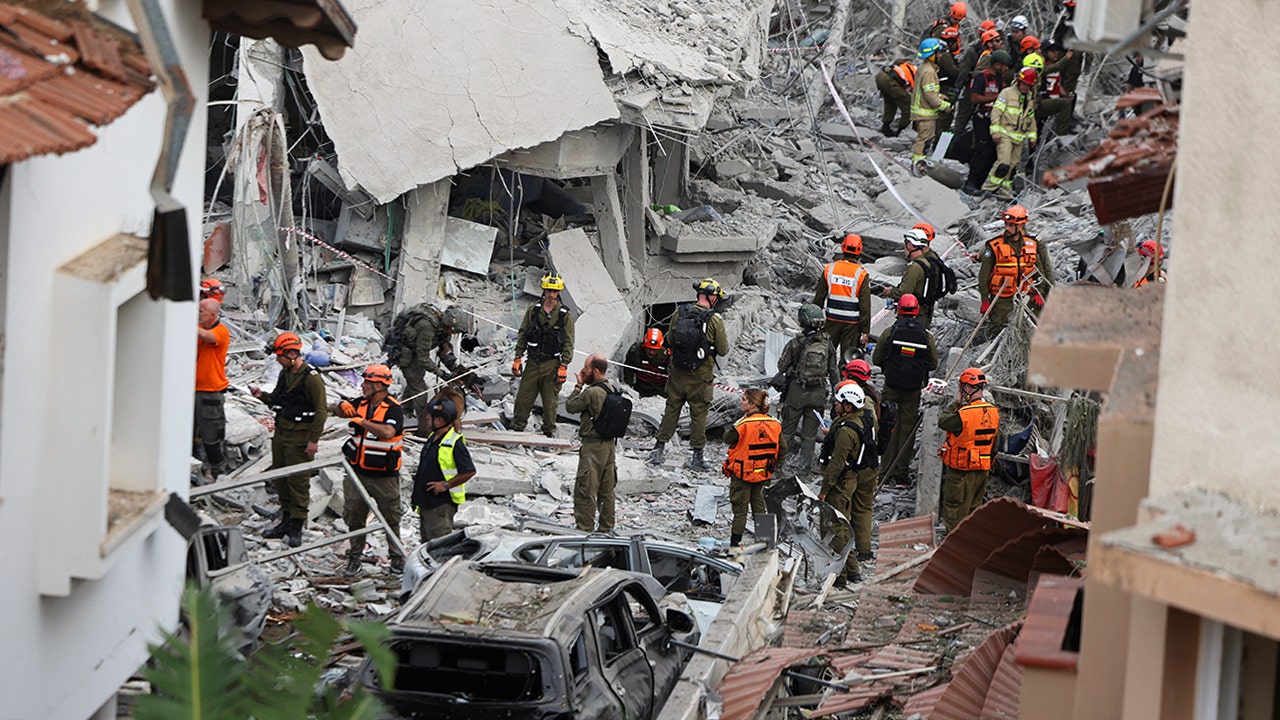
To support families like Trey Yingst’s, communities and organizations can take several steps:
– Providing counseling and mental health resources
– Offering clear communication channels during emergencies
– Creating support groups for families of frontline workers
– Training medical staff to handle emotional crises with sensitivity
These measures can make a significant difference in helping families cope with the stress and uncertainty they face.
Conclusion
The heartfelt story of Trey Yingst’s mother collapsing at the hospital after his return from Israel sheds light on the emotional challenges faced by families of frontline journalists. It also emphasizes the critical role of compassionate medical care during such moments. If you or someone you know is supporting a loved one in a high-risk profession, remember the importance of emotional support and understanding. Stay connected, seek help when needed, and share your experiences to build a stronger community. For more inspiring stories and updates, subscribe to our newsletter and stay informed.


