Whoopi Goldberg Faces Backlash After Comparing U.S. to Iran on The View
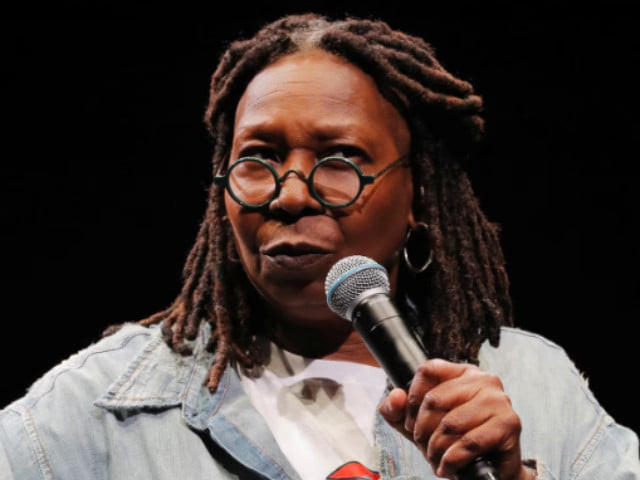
In a controversial segment that aired on June 18, 2025, on “The View,” Whoopi Goldberg made headlines by likening life in the United States to the oppressive conditions faced in Iran. This statement came during a heated discourse with co-host Alyssa Farah Griffin, igniting fierce debates across social media and the public sphere.
Goldberg’s Controversial Remarks

Goldberg initiated the discussion by suggesting that systemic issues of racial injustice and violence in the United States bear similarities to the widespread human rights abuses that characterize life in Iran. She expressed concerns over the persistent violence against marginalized communities, drawing a parallel to the governmental oppression found within authoritarian regimes.
During the segment, Goldberg called attention to the everyday experiences of Black Americans, articulating that they live with a constant fear for their safety in their own neighborhoods. While she acknowledged that the U.S. is “the greatest country in the world,” her comments suggested that this greatness does not extend to the safety and security of all its citizens.
Pushback from Co-Host Alyssa Farah Griffin

Goldberg’s assertions were met with immediate pushback from co-host Alyssa Farah Griffin, a conservative voice on the show. Griffin firmly disagreed, emphasizing the stark contrasts between the two nations. She highlighted that Iran’s regulations, such as severe dress codes for women and harsh punishments for minor infractions, showcase a level of oppression that is not paralleled in the U.S.
Griffin’s defense included a reminder of the fundamental personal freedoms enjoyed in America, which she argued are absent in Iran. She insisted that Goldberg’s comparison was misleading and oversimplified the complexities of each country’s societal issues.
The Broader Context of the Discussion

The discussion unfolded against a backdrop of international scrutiny of Iran, especially given its ongoing conflicts with Israel and controversial nuclear maneuvers. The mention of such weighty topics contributed to the emotional intensity of the conversation, eventually leading to an unresolvable tension between the co-hosts.
As the dialogue progressed, Joy Behar, another co-host, attempted to mediate the escalating disagreement, emphasizing the need for understanding and respect for each perspective. However, the conversation concluded without a consensus, with Goldberg indicating that the topic of comparison between the U.S. and Iran would be revisited in future episodes.
This incident has reignited discussions about the realities of systemic racism in America and the legitimacy of comparing these issues with those in authoritarian regimes. Public reactions have been diverse; many have expressed grave concerns over Goldberg’s comments, arguing that her perspective overlooks the extreme conditions faced by individuals living in Iran.

As the backlash continues to grow, it raises critical questions about the nature of such comparisons and the potential harm they can cause, not only in understanding global issues but also in addressing domestic ones. The dynamics of discussions around race and oppression in the U.S. remain complex, and the exchanges on “The View” serve to highlight these enduring challenges.

As society grapples with these difficult conversations, it is essential to approach them with sensitivity and an understanding of the vastly different realities faced by people around the world.


